


Essential Outdoor Cooking Tools for Every Grill Master
TL;DR:
- The core outdoor cooking tools include long-handled tongs, a grill brush, and a meat thermometer. These tools ensure safety, cleanliness, and food quality in any grill or campfire setting. Proper organization and essential safety accessories enhance convenience and prevent accidents during outdoor cooking.
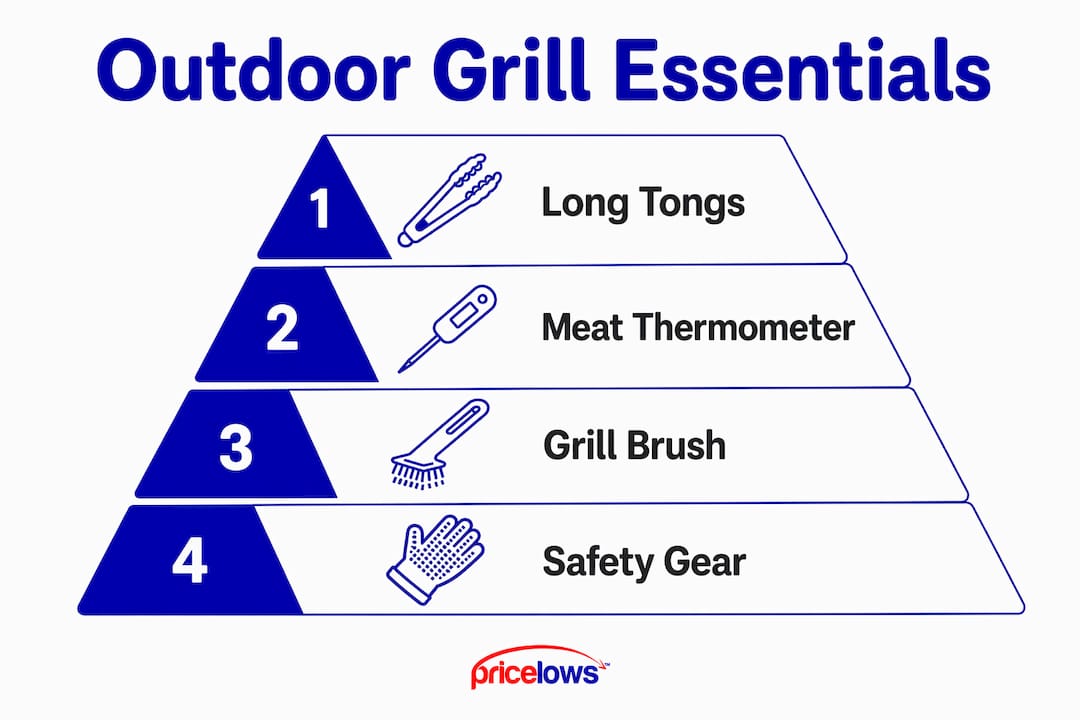
Essential outdoor cooking tools are the core gear that separates a frustrating cookout from a confident, safe, and delicious one. Whether you are firing up a charcoal grill in the backyard or cooking over a campfire on a weekend trip, the right equipment makes every step easier. The non-negotiable starting point includes long-handled tongs, a grill brush, heat-resistant gloves, and a meat thermometer. These four tools cover safety, cleanliness, and food quality in one compact list. Get these right, and everything else is an upgrade.
What are the essential outdoor cooking tools every griller needs?
The foundation of any outdoor cooking kit comes down to three categories: grill-handling tools, safety gear, and cookware. Wirecutter and Food & Wine both identify long-handled tongs, a grill brush, and a meat thermometer as the reliable core for better grilling results and safety. These are not optional extras. They are the tools that prevent burns, undercooked food, and a ruined grill surface.
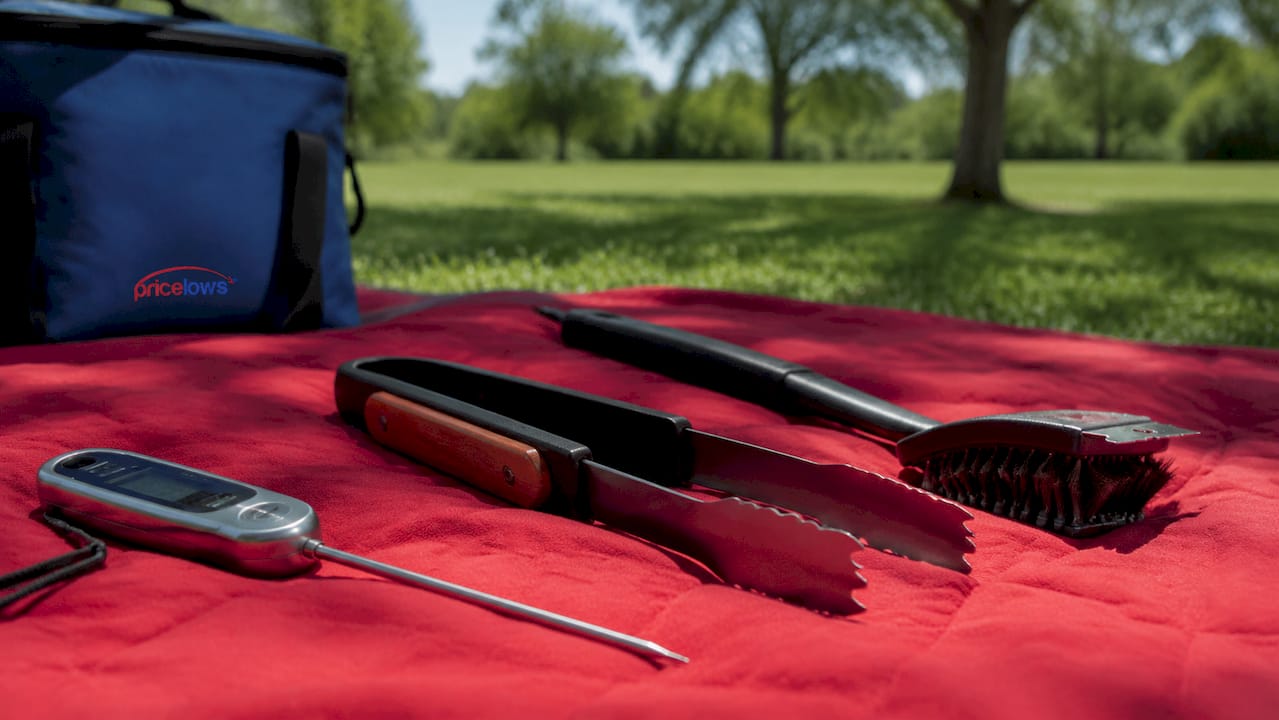
The right tools also remove friction from the cooking process. Good equipment does not make you a better cook automatically, but it removes hazards and makes outdoor cooking easier and safer. That distinction matters when you are managing open flames, raw meat, and hungry guests at the same time.
What are the core grill-handling tools for outdoor cooking?
Every outdoor cook needs a short list of tools that handle food directly on the grill. These are the items you reach for every single time you cook outside.
- Long-handled tongs (16 inches or longer): The single most used tool at any grill. Long handles keep your hands away from direct heat while giving you full control over steaks, chicken, vegetables, and more.
- Grill spatula: A wide, thin blade lets you flip burgers and fish without breaking them apart. Look for a stainless steel head with a comfortable grip.
- Grill brush: A grill brush is critical for cleaning grates before and after cooking. Neglecting it leads to residue buildup that affects food flavor and shortens the grill’s life.
- Instant-read meat thermometer: Instant-read thermometers work for burgers, thick steaks, and whole cuts alike, giving you fast temperature feedback in any outdoor condition.
The USDA and FoodSafety.gov are clear that thermometers over visual cues are the reliable method for checking doneness and preventing foodborne illness. Color and texture alone are not safe indicators. An instant-read thermometer removes all guesswork.
Pro Tip: Never use a grilling fork to test or move meat. Piercing the surface releases juices and dries out the cut. Use tongs or a spatula instead.
Which safety accessories are essential for outdoor cooking?
Safety gear is the category most beginners skip and most experienced cooks eventually regret skipping. Burns, flare-ups, and poor lighting after dark are all preventable with the right accessories.
- Heat-resistant grilling gloves: Food & Wine notes that gloves are vital for hazard prevention during grilling. Silicone or aramid fiber gloves rated to at least 500°F protect your hands when adjusting grates, handling cast iron, or moving hot cookware.
- Chimney starter: Real Simple includes chimney starters in every essential grilling checklist. They light charcoal faster and more evenly than lighter fluid, without the chemical taste or flare risk.
- Grill light: Cooking after dark without a light source is a safety hazard. A clip-on LED grill light or a hands-free headlamp keeps the cooking surface visible without tying up your hands.
- Long-handled utensils: Every tool you use near open flame should have a handle of at least 12 inches. This applies to basting brushes, spatulas, and tongs equally.
Pro Tip: Store your chimney starter away from the grill after use. The metal retains heat for longer than most people expect, and setting it on a flammable surface is a common cause of outdoor fire accidents.
What cookware and accessories expand your outdoor cooking options?
Once you have the core tools covered, the right cookware turns a basic grill setup into a full outdoor kitchen. These additions work over open flames, camp stoves, and charcoal grills alike.
Cast iron skillets and Dutch ovens are the top recommendation from Serious Eats and outdoor cooking experts for campfire and backyard use. Cast iron holds heat evenly, handles direct flame without warping, and lasts decades with basic care. A 10-inch skillet handles eggs, sautéed vegetables, and pan sauces. A Dutch oven handles stews, bread, and braised meats.
Beyond cookware, a few accessories round out the setup:
- Basting brush: Silicone bristles hold sauce better than natural bristles and are easier to clean. Use it for marinades, butter, and glazes during the last few minutes of cooking.
- Outdoor cutting board: A large, non-slip board with a juice groove handles prep and carving without sliding. Bamboo and thick polyethylene boards both hold up well outdoors.
- Serving gear: Durable melamine plates and stainless steel serving utensils survive drops and outdoor conditions far better than ceramic or thin plastic.
Specialty appliances like outdoor pizza ovens and smokers are worthwhile upgrades for cooks who grill frequently. They are not starter purchases, but they expand what you can cook dramatically. A portable infrared propane grill that reaches high temperatures is a strong middle ground between a basic grill and a dedicated pizza oven.
Pro Tip: Season your cast iron skillet before its first outdoor use by coating it lightly with oil and heating it over the flame until it smokes. This builds a non-stick surface that improves with every cook.
How do you organize and transport your outdoor cooking tools?
An organized outdoor cooking kit saves time and prevents the frustration of arriving at a campsite or backyard setup missing a key tool. Serious Eats and REI both recommend building a compact “camping box” with your core utensils and cookware pre-packed and ready to go.
Here is a practical system for organizing your kit:
- Choose a dedicated container. A hard-sided plastic bin or a canvas tool bag keeps everything together. Label it clearly so it never gets raided for household use.
- Pack multi-use tools first. A compact outdoor cooking setup relies on a few durable, flame-compatible pieces rather than a large collection of single-use gadgets. Tongs that double as a serving tool, a Dutch oven that works as a pot and a skillet lid, and a thermometer that reads any cut all earn their space.
- Add a carrying bag for utensils. A roll-up utensil bag keeps tongs, spatulas, and brushes from rattling loose and makes setup faster at the cooking site.
- Store cleaning tools separately. A grill brush, scraper, and a small bottle of grill cleaner in a zip bag prevent residue from contaminating food prep tools.
- Check and restock after every trip. Refill propane, replace worn brushes, and check thermometer batteries before the next outing.
A portable camp stove with a foldable design fits neatly into most camping boxes and adds a reliable backup heat source when open-flame cooking is restricted.
Key Takeaways
The best outdoor cooking kit starts with four core tools and builds from there: tongs, a grill brush, a meat thermometer, and heat-resistant gloves cover safety, cleanliness, and food quality in every outdoor setting.
| Point | Details |
|---|---|
| Core tools come first | Long-handled tongs, a grill brush, and a meat thermometer are the non-negotiable starting point. |
| Thermometers prevent illness | The USDA recommends thermometers over visual cues to confirm safe doneness every time. |
| Safety gear is not optional | Heat-resistant gloves and a chimney starter reduce burn risk and flare-up hazards significantly. |
| Cast iron is the best outdoor cookware | A cast iron skillet and Dutch oven handle open flame, hold heat evenly, and last for decades. |
| Organize before you go | A pre-packed camping box with multi-use tools prevents missing gear and speeds up setup time. |
The tools that actually earn their place outdoors
I have cooked outdoors long enough to know that the gear most people buy first is rarely what they actually use most. The flashy gadgets, the multi-piece grill sets with matching handles, the decorative aprons with pockets for everything. They look good in the store and sit unused after the second cookout.
What I reach for every single time is a short list. A solid pair of long-handled tongs. An instant-read thermometer I can read in bright sunlight or low light. A stiff grill brush I use before the grill heats up and again before I put food on. Heat-resistant gloves that actually fit. That is the real kit.
The grill brush is the most underrated tool in outdoor cooking. Most people clean the grates after cooking, when the residue has hardened and the job takes twice as long. Brush the grates when the grill first heats up, while the residue is still soft. You will spend 30 seconds instead of five minutes, and your food will not pick up last week’s flavor.
My honest advice: buy fewer tools and buy them better. A $15 pair of tongs that feels solid in your hand beats a $60 grill set where nothing fits right. Build your kit around what you actually cook, not around what looks complete on a shelf.
— Thane Holland
Gear up for outdoor cooking with PriceLows™
PriceLows™ carries a wide selection of outdoor cooking tools and storage solutions built for real use, not just display.

From portable charcoal grills that travel easily to backyard setups and campsites, to a lockable metal storage cabinet that keeps your grilling tools organized and protected between uses, PriceLows™ has the practical gear that outdoor cooks actually need. Every product ships free with 100% shipping protection, so you can stock your outdoor kitchen with confidence. Quality gear at prices that make sense for your family budget.
FAQ
What are the must-have grilling tools for beginners?
Long-handled tongs, a grill brush, and an instant-read meat thermometer are the three tools every beginner needs first. These cover food handling, grill maintenance, and food safety in one simple kit.
Why is a meat thermometer essential for outdoor cooking?
The USDA recommends thermometers over visual cues because color and texture alone cannot confirm safe internal temperatures. An instant-read thermometer prevents undercooked food and foodborne illness.
What is the best cookware for campfire cooking?
Cast iron skillets and Dutch ovens are the top choice for campfire and outdoor cooking. They handle direct flame without warping, retain heat evenly, and work for everything from eggs to braised meats.
How do I keep my outdoor cooking tools organized?
Pack a dedicated camping box with your core utensils, a roll-up utensil bag, and a separate pouch for cleaning tools. Multi-use tools reduce clutter and make setup faster at any cooking location.
Do I need a chimney starter for charcoal grilling?
A chimney starter lights charcoal faster and more evenly than lighter fluid and eliminates the chemical taste that lighter fluid can leave on food. It is one of the most practical upgrades for any charcoal grill setup.