


Why Stainless Steel Gadgets Last Longer Than the Rest
TL;DR:
- Stainless steel gadgets last because their self-healing chromium oxide layer prevents rust and corrosion over time. Choosing the right grade, such as 304 or 316, and performing basic maintenance significantly extend their lifespan compared to plastic alternatives. Proper care and selecting products with replaceable gaskets further maximize durability and value.
Stainless steel gadgets last because their chromium oxide layer actively prevents rust, corrosion, and surface degradation, even after years of daily use. This is not a marketing claim. It is a material science fact that explains why professional kitchens, outdoor grills, and high-end tools all rely on stainless steel as the standard. Understanding why stainless steel gadgets last helps you make smarter buying decisions, spend less over time, and avoid the cycle of replacing cheap plastic or coated tools every year or two. The durability of stainless steel comes down to chemistry, grade selection, and basic care.
Why does the chromium oxide layer make stainless steel so durable?
Stainless steel earns its corrosion resistance from a self-healing oxide layer that forms when chromium content reaches at least 10.5% by weight. This passive layer is only a few nanometers thick, yet it blocks oxygen and moisture from reaching the steel beneath. That is what stops rust before it starts.
The most surprising part is what happens when you scratch stainless steel. The chromium oxide layer reforms on its own the moment the damaged surface contacts oxygen. Carbon steel has no such mechanism. A scratch on carbon steel exposes bare iron, which begins rusting within hours. Stainless steel simply heals itself.
Think of it like a self-sealing tire. The outer layer takes the hit, seals the gap, and keeps the structure intact underneath. This is why a stainless steel boning knife or mixing bowl can survive years of heavy use without showing the pitting or rust you would see on cheaper alternatives.
Pro Tip: Dry stainless steel gadgets after washing instead of air drying. Standing water slows the chromium oxide layer’s natural regeneration and can leave mineral deposits that dull the surface over time.
| Feature | Stainless steel | Carbon steel |
|---|---|---|
| Rust resistance | Self-healing oxide layer | No passive protection |
| Scratch recovery | Reforms with oxygen exposure | Permanent damage |
| Maintenance needed | Minimal | Regular oiling required |
| Indoor lifespan | 50+ years | ~15 years |
What are the main stainless steel grades and how do they differ?
Not all stainless steel is the same. The two grades you will encounter most often in kitchen and outdoor gadgets are 304 and 316, and the difference between them matters depending on where and how you use your tools.
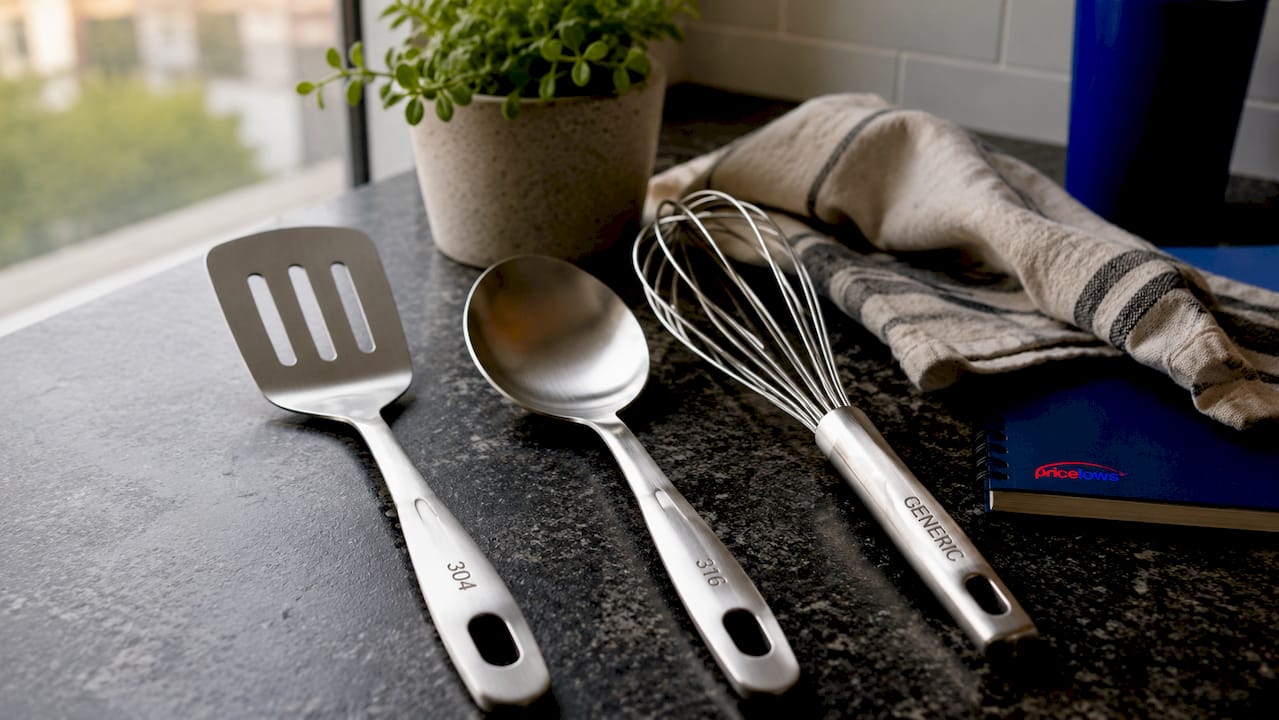
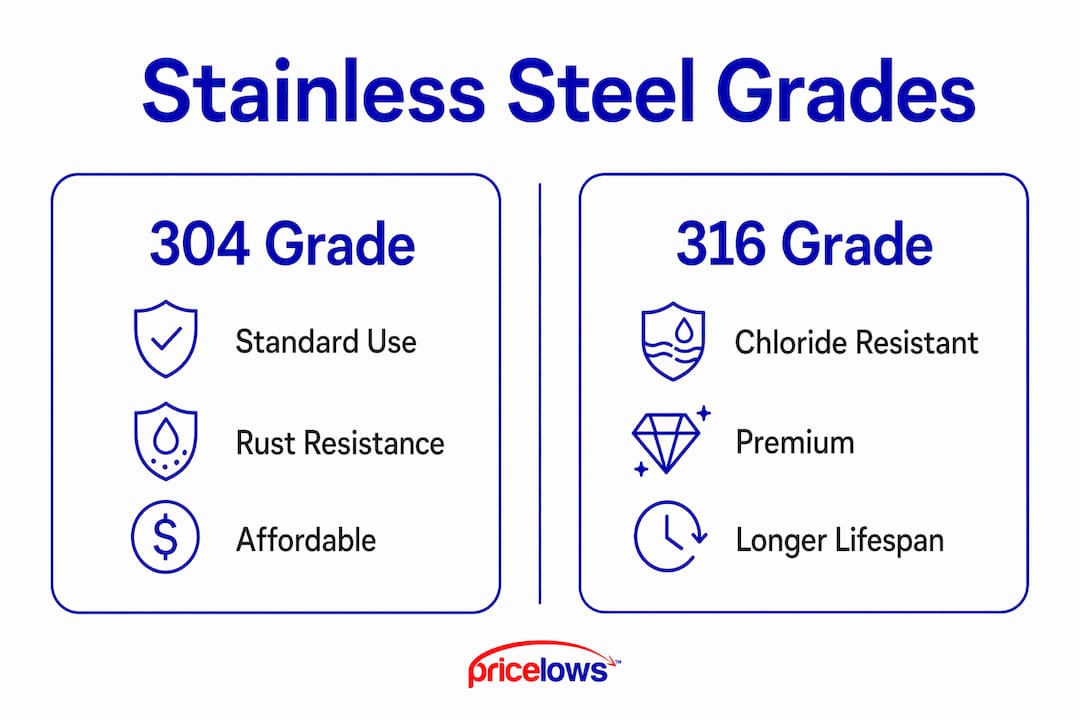
304 stainless steel is the standard for most kitchen gadgets, mixing bowls, cookware, and utensil holders. It offers solid corrosion resistance in typical home environments and handles heat, moisture, and food acids without degrading. For most homeowners, 304 is the right choice.
316 stainless steel adds molybdenum to the alloy, which gives it superior resistance to chloride-induced pitting. This matters if you live near the coast, use saltwater in cooking, or store tools in humid garages. The trade-off is cost. Grade 316 runs 20–40% more than 304, but it can last more than twice as long in harsh or coastal environments.
| Grade | Best use | Chloride resistance | Relative cost |
|---|---|---|---|
| 304 | Standard kitchen and home gadgets | Good | Lower |
| 316 | Coastal, marine, or acidic environments | Excellent | 20–40% higher |
The lifecycle cost perspective strongly favors investing in the right grade upfront. Upfront stainless steel costs run 120–140% higher than cheaper metals for premium grades, but maintenance and replacement costs drop dramatically over 30 years. Buying the correct grade once beats buying the wrong material repeatedly.
Stainless steel vs plastic: which actually lasts longer?
Plastic kitchen gadgets typically last 18 months to 5 years before cracking, staining, or absorbing odors. One quality stainless steel set can replace 6–8 rounds of plastic or non-stick replacements over its lifetime. That math alone makes stainless steel the smarter financial choice for most households.
Beyond lifespan, the practical advantages of stainless steel over plastic are significant:
- Hygiene: Stainless steel’s non-porous surface resists bacteria, odors, and stains. Professional kitchens use it as the standard for this reason.
- Chemical safety: Stainless steel is free from BPA, PFAS, and phthalates, unlike many plastic and non-stick coated alternatives.
- Temperature tolerance: Stainless steel handles extreme heat and cold without warping, cracking, or leaching chemicals.
- Sustainability: Stainless steel is 100% recyclable with zero waste at end of life. Plastic accumulates in landfills.
The non-porous surface deserves extra attention. Plastic scratches easily, and those scratches trap bacteria and food residue that no amount of scrubbing fully removes. Stainless steel stays smooth and cleanable even after years of use. For anyone prepping food daily, that hygiene advantage is not a minor detail. It is a genuine health benefit.
What maintenance tips actually extend stainless steel gadget life?
The longevity of kitchen gadgets made from stainless steel is not automatic. Basic care habits make a real difference between a tool that lasts 20 years and one that degrades in five.
- Wash with mild soap and warm water. Avoid steel wool or abrasive pads that scratch the surface and slow oxide layer regeneration.
- Dry immediately after washing. Standing water, especially hard water, leaves mineral deposits and can cause surface discoloration over time.
- Inspect gaskets and seals regularly. The steel body outlasts rubber components in containers and thermoses. Replacing worn gaskets extends the product’s usable life significantly.
- Never use stainless steel in the microwave. Metal causes sparking in microwave ovens, which damages the appliance and ruins the gadget. Keep glass or ceramic on hand for reheating tasks.
- Check for early corrosion signs. Small rust spots on lower-grade steel can appear near welds or joints. Catching them early with a baking soda paste treatment prevents spread.
Pro Tip: When buying stainless steel containers or food storage products, choose models with replaceable gaskets and seals. The steel body will outlast the rubber parts, so replaceability is what determines the product’s true lifespan.
Choosing products with replaceable components is one of the most overlooked factors in gadget longevity. A stainless steel cutting board or container with a worn seal is not a dead product. It is a product that needs a $3 replacement part, not a $30 replacement purchase.
Key Takeaways
Stainless steel gadgets last because their self-healing chromium oxide layer, combined with the right grade selection and basic maintenance, delivers decades of reliable performance that plastic and carbon steel simply cannot match.
| Point | Details |
|---|---|
| Self-healing oxide layer | Chromium at 10.5%+ forms a passive layer that reforms after scratches, blocking rust. |
| Grade selection matters | Choose 304 for standard kitchens; upgrade to 316 for coastal or high-moisture environments. |
| Outlasts plastic by decades | One stainless steel set replaces 6–8 rounds of plastic, saving money over time. |
| Hygiene advantage is real | The non-porous surface resists bacteria and odors, making it safer than plastic for food prep. |
| Maintain the non-metal parts | Gaskets and seals wear before the steel does; replace them to extend the full product lifespan. |
Why I stopped second-guessing stainless steel years ago
I used to buy whatever kitchen gadget was cheapest. A plastic mixing bowl set here, a coated pan there. Within two years, the bowls were stained, the coating was flaking, and I was back at the store. The cycle was expensive and annoying.
The shift happened when I bought a set of stainless steel mixing bowls and a professional kitchen knife. That was over a decade ago. Both are still in daily use. No rust, no cracks, no odor. The bowls look almost identical to the day I bought them.
The misconception I hear most often is that stainless steel is only worth it if you spend a lot. That is not true. The real question is grade and construction quality, not price alone. A well-made 304 grade tool at a reasonable price will outperform a poorly constructed 316 piece every time. Focus on the grade stamp and the build, not just the sticker price.
The other thing people overlook is the environmental angle. Replacing plastic gadgets every couple of years generates real waste. Stainless steel lasts long enough that you may never replace it. For a family that cooks regularly, that is a meaningful reduction in household waste over 10 or 20 years.
— Thane Holland
Find durable stainless steel gadgets at PriceLows™
If you are ready to stop replacing cheap gadgets and start buying tools that last, PriceLows™ carries a wide selection of stainless steel kitchen and outdoor products built for real daily use. From utensil holders to cutting boards and knives, every product is vetted for quality and priced to give your family genuine value.

PriceLows™ offers free shipping and a 100% shipping protection plan on every order, so you can shop with confidence. Browse the kitchen storage essentials collection to find durable stainless steel tools that fit your home, your budget, and your lifestyle. The Home. The Yard. The Garage. The Family. PriceLows™ has you covered.
FAQ
How long do stainless steel gadgets last with normal use?
304 grade stainless steel lasts 50 or more years indoors with minimal maintenance, far exceeding the 1–5 year lifespan of most plastic alternatives.
Is 316 stainless steel worth the extra cost for kitchen gadgets?
316 stainless steel costs 20–40% more than 304 but offers superior resistance to chloride corrosion. It is worth the investment for coastal homes, outdoor grills, or tools exposed to saltwater and acidic foods.
Can stainless steel gadgets go in the dishwasher?
Most stainless steel gadgets are dishwasher safe, but hand drying after washing prevents mineral deposits and keeps the surface looking its best longer.
Why does stainless steel not rust like regular steel?
Stainless steel forms a chromium oxide passive layer that blocks moisture and oxygen from reaching the iron in the alloy. This layer reforms automatically when scratched, which is why stainless steel resists rust even after surface damage.
What is the biggest mistake people make with stainless steel gadgets?
Putting stainless steel in the microwave is the most common misuse. Metal causes sparking that damages the appliance. Use glass or ceramic for reheating and reserve stainless steel for stovetop, oven, and food prep tasks.