


Outdoor Living Space Setup Guide for Homeowners
TL;DR:
- A well-designed outdoor space uses defined zones, durable materials, and layered lighting. Planning for sun and shade ensures comfort year-round, while mockups prevent circulation issues. Prioritizing hardscape and furniture placement creates an inviting, functional outdoor room.
An outdoor living space setup guide is a step-by-step plan for turning your backyard, patio, or deck into a functional room for relaxing and entertaining. The best setups treat the outdoor area as an extension of your home, not just a yard with furniture dropped in. This guide covers zone planning, durable furniture materials, lighting, shade, and seasonal maintenance. Whether you are working with a tight budget or ready to invest more, the principles here apply at every price point. PriceLows™ carries grills, shade covers, and storage solutions that fit directly into the framework below.
What are the essential zones in an outdoor living space setup?
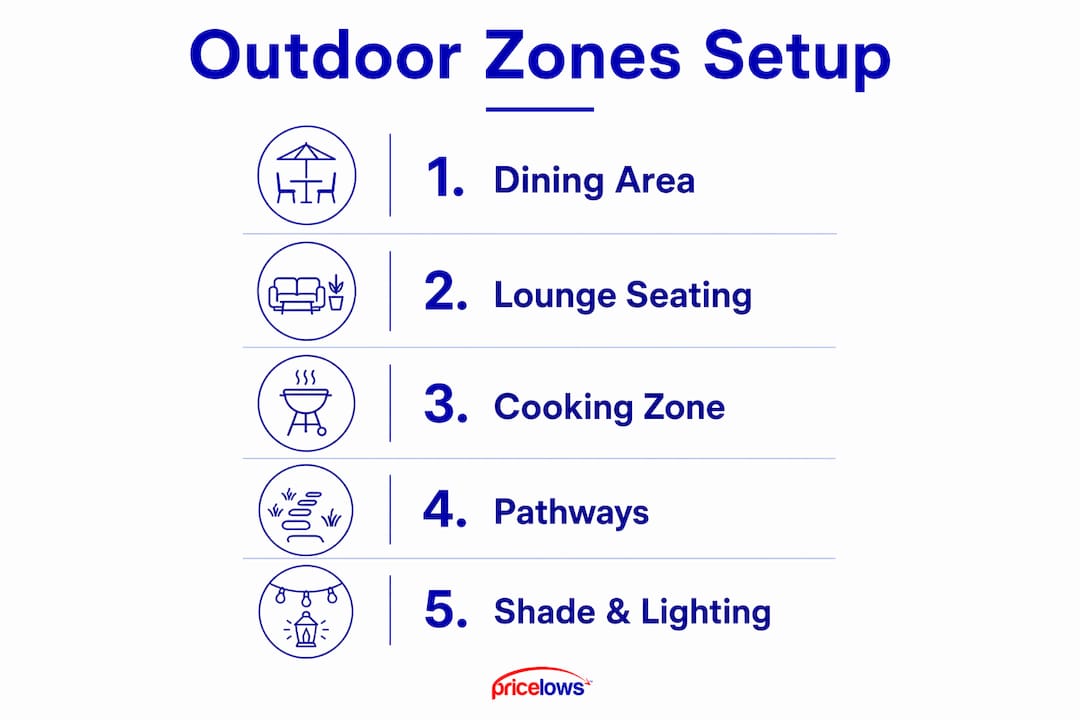
Zone planning is the foundation of any well-designed backyard. Think of your outdoor area the way an interior designer thinks about a living room. Each activity, cooking, dining, lounging, and moving between areas, needs its own defined footprint.
A dining zone needs space to breathe. The ideal footprint is 12x16 feet for a large table with chairs. A minimum of 10x14 feet works if space is tight, but anything smaller creates a cramped experience that discourages use. Size matters because guests need to pull chairs back without bumping into planters or walls.
Pathways between zones are just as important as the zones themselves. Maintain at least 36 inches of clear walkway between any two activity areas. Wider paths work better when you host frequently. Narrow paths create bottlenecks and make even a large yard feel small.
Hardscape elements like concrete patios, pavers, and pergolas define zones without requiring walls. A pergola over a dining table signals “this is the dining room.” A gravel pad under lounge chairs signals “this is the sitting area.” These visual cues help guests navigate the space naturally.
| Zone | Recommended size | Minimum clearance |
|---|---|---|
| Dining area | 12x16 ft | 10x14 ft |
| Lounge seating | 10x12 ft | 8x10 ft |
| Cooking/grill station | 6x8 ft | 4x6 ft |
| Pathway between zones | N/A | 36 inches wide |
Pro Tip: Use painter’s tape on the ground or arrange existing lawn furniture as a mockup before buying anything. Walking through the layout reveals circulation problems that a drawing on paper never will.
How to choose outdoor furniture and materials for durability
Material choice is the single biggest factor in how long outdoor furniture lasts. Powder-coated aluminum frames and solution-dyed fabrics resist rust, mildew, and fading better than any other common combination. Bare steel rusts within one season in humid climates. Untreated wood requires annual sealing or it cracks and grays out fast.
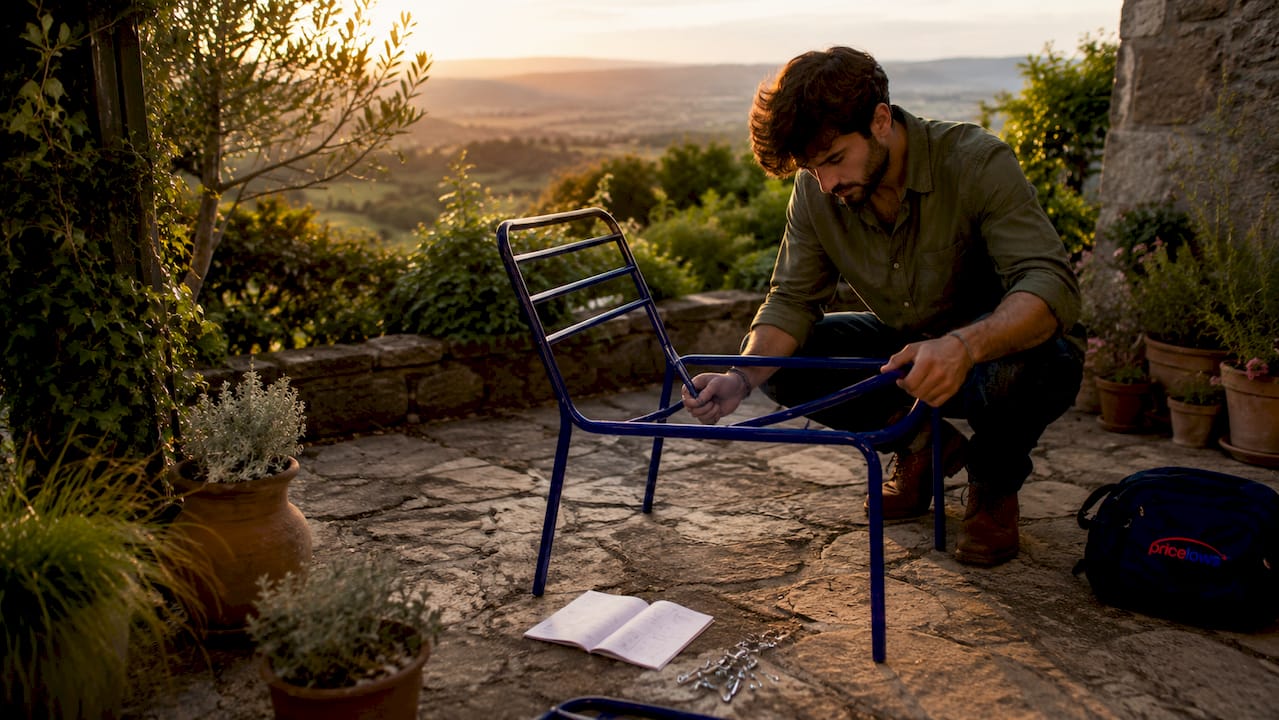
Solution-dyed fabrics are worth the extra cost. The color is baked into the fiber during manufacturing, not applied on top. That means UV rays and rain cannot strip the color the way they do with surface-dyed cushions. For frames, powder-coated aluminum is lighter than steel and does not corrode.
Here is what to prioritize when shopping:
- Frames: Powder-coated aluminum or teak for longevity
- Cushion fabric: Solution-dyed acrylic (brands like Sunbrella use this process)
- Tables: Tempered glass, porcelain tile tops, or aluminum slats
- Storage: Weatherproof resin or powder-coated steel cabinets
Furniture layout affects comfort as much as material does. Arrange seating so people face each other at a conversational distance, roughly 6 to 8 feet apart. Avoid lining chairs against walls like a waiting room. A U-shaped or circular arrangement keeps conversation easy and the space feeling open.
Pro Tip: Before buying a full set, place one chair in the exact spot you plan to use it. Sit in it at the time of day you normally entertain. Check sun angle, wind, and proximity to the grill or door.
What are effective lighting and shade solutions for outdoor spaces?
Layered lighting turns a patio into a usable space after sunset. The three layers are ambient (overall glow), task (focused light for cooking or reading), and accent (decorative highlights on plants or architecture). Warm white bulbs around 2700K create an inviting atmosphere. Blue-white bulbs above 4000K produce a harsh, clinical feel that most people find uncomfortable outdoors.
String lights handle ambient light well and cost very little. Pendant lights or a ceiling fan with a light kit work for covered pergolas. Path lights and uplights on trees or planters add accent layers without much effort or expense.
Shade is where budget decisions get real. Shade sails install in about 2 hours for around $200. Motorized louvered pergolas start near $8,000. Between those two extremes sit freestanding cantilever umbrellas, fixed pergolas with shade cloth, and retractable awnings.
| Shade option | Approximate cost | Installation complexity |
|---|---|---|
| Shade sail | ~$200 | Low (2 hours, DIY) |
| Cantilever umbrella | $300–$800 | Very low |
| Fixed pergola with shade cloth | $1,500–$4,000 | Medium |
| Retractable awning | $2,000–$5,000 | Medium to high |
| Motorized louvered pergola | $8,000+ | High (professional) |
A shade sail from PriceLows™ covers a 16x16 foot triangle at a fraction of the cost of a pergola. For most renters and budget-focused homeowners, that is the right starting point.
Pro Tip: Layer your lighting on separate switches or smart plugs. Dimming the ambient string lights while keeping task lighting bright over the grill gives you full control of the mood without rewiring anything.
How to plan and maintain your outdoor space year-round
Sun pattern is the most overlooked variable in patio planning. Checking your space at 5 PM or using a sun-tracking app like Sun Surveyor before you finalize furniture placement prevents the most common regret: a dining table that sits in direct western sun during every summer dinner. Walk your yard at the time you actually plan to use it.
Year-round maintenance keeps the investment working. Follow this seasonal checklist:
- Spring: Clean cushion covers, inspect frames for rust or cracking, re-anchor shade sails after winter winds.
- Summer: Check grill connections and clean grates monthly, reposition umbrellas as sun angles shift.
- Fall: Store cushions in weatherproof bags or a lockable cabinet, cover grills, drain any water features.
- Winter: Fold and stack lightweight furniture, apply a fresh coat of sealant to any wood elements.
Bug management is a real comfort factor that most design guides skip. Citronella torches work for small areas. Oscillating fans mounted on pergola posts push air across seating zones and disrupt mosquito flight patterns without chemicals. For enclosed pergolas, a ceiling fan rated for damp locations handles both cooling and bug deterrence.
Treating the patio as a connected room rather than a separate zone makes year-round use feel natural. Matching your outdoor color palette to your interior, or at least not clashing with it, creates a visual flow that makes both spaces feel larger.
Key takeaways
A well-planned outdoor living space starts with hardscape zones, durable materials, and layered lighting before any decorative spending.
| Point | Details |
|---|---|
| Zone planning first | Define cooking, dining, and lounge areas with clear 36-inch pathways between each. |
| Material durability matters | Choose powder-coated aluminum frames and solution-dyed fabrics to resist rust and fading. |
| Layer your lighting | Use 2700K warm white bulbs across ambient, task, and accent layers for evening usability. |
| Match shade to budget | Shade sails at ~$200 deliver strong value; motorized pergolas start at $8,000 for premium use. |
| Plan for actual use | Check sun patterns at 5 PM and use physical mockups before committing to furniture placement. |
Why I stopped designing for the “perfect day” outside
Most people design their outdoor space for an imaginary Saturday afternoon with perfect weather and a full guest list. That space never gets used on a Tuesday evening when it is 85 degrees and the mosquitoes are out. I learned this the hard way after spending money on a beautiful dining set that sat in direct western sun every evening from june through september.
The mindset shift that changed everything was treating the backyard as an outdoor room with the sky as the ceiling. Rooms have bones first: floors, walls, structure. Furniture comes after. When I started with the hardscape and shade, then added seating, the space became usable on ordinary days, not just special ones.
A well-equipped $5,000 space focused on cooking, sitting, and atmosphere beats a poorly planned $50,000 space every time. Spend on the bones. Phase in the extras. Your future self will thank you every time you actually sit outside on a weeknight.
— Thane Holland
Upgrade your outdoor setup with PriceLows™
PriceLows™ carries the outdoor essentials that make this guide practical, not just theoretical.

Start with a portable charcoal grill for your cooking zone and a shade sail for sun coverage. Add a lockable metal storage cabinet to keep cushions, tools, and grill accessories protected between uses. PriceLows™ offers free shipping and a 100% shipping protection plan on every order, so budget-conscious buyers get full value without the risk. Browse the full yard and outdoor collection at PriceLows™ to find durable, affordable products that fit every phase of your outdoor setup.
FAQ
What is the minimum size for an outdoor dining zone?
The minimum functional size for an outdoor dining area is 10x14 feet. A 12x16 foot footprint is ideal for large tables with comfortable movement around chairs.
What outdoor furniture materials last the longest?
Powder-coated aluminum frames and solution-dyed acrylic fabrics offer the best resistance to rust, mildew, and UV fading. Bare steel and surface-dyed fabrics degrade quickly in outdoor conditions.
How do I choose between a shade sail and a pergola?
Shade sails cost around $200 and install in a few hours, making them the right choice for renters or budget-focused setups. Pergolas offer more structure and permanence but start at $1,500 and go well above $8,000 for motorized versions.
What light color temperature works best outdoors?
Warm white bulbs at approximately 2700K create the most comfortable outdoor atmosphere. Blue-white bulbs above 4000K produce a harsh light that reduces the appeal of evening outdoor use.
How do I plan zones in a small backyard?
Use painter’s tape or existing furniture to mock up zone boundaries before buying anything. Keep pathways at least 36 inches wide and prioritize one primary function, such as dining or lounging, before adding secondary zones.