


Smart Storage for Small Spaces: A Renter's 2026 Guide
TL;DR:
- Smart storage in small spaces involves using vertical, multifunctional, and flexible solutions to maximize organization without permanent changes. Renters should focus on vertical shelving, multipurpose furniture, and door organizers that require no modifications and promote daily tidiness. Effective systems emphasize decluttering, choosing portable furniture, and building habits to maintain long-term order.
Smart storage in small spaces is the practice of using vertical, multifunctional, and flexible solutions to maximize organization and utility in limited living areas. The role of smart storage in small spaces goes far beyond buying more bins. It means rethinking how every square foot works for you. Urban renters managing compact apartments face a real challenge: too much stuff, too little room, and lease restrictions that rule out permanent changes. The good news is that the most effective small space organization strategies require zero drilling and zero landlord approval.
What are the most effective smart storage solutions for small spaces?
Vertical storage is the single biggest shift you can make in a compact home. Renters in small apartments consistently report that moving from horizontal to vertical storage, using pegboards, floating shelves, and floor-to-ceiling cabinetry, reclaims usable floor area and cuts visual clutter at the same time. The floor is the most expensive real estate in a small room. Stop storing things on it.
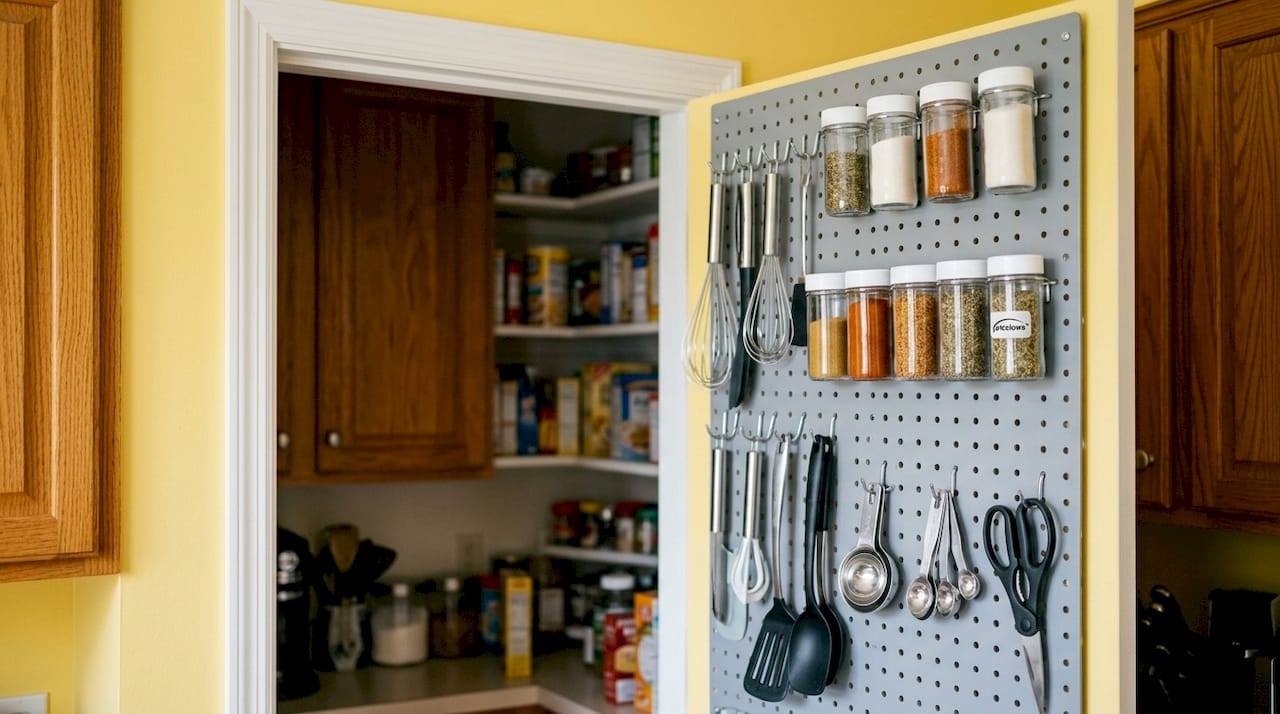
Multifunctional furniture delivers the second major gain. In 2026, pieces like nesting tables, lift-top coffee tables, and storage benches are recognized as core tools for small-space efficiency, providing two to three uses per piece while shrinking your floor footprint. A storage bench at the foot of a bed holds blankets, acts as a seat, and keeps the room from feeling crowded.
The backs of doors are one of the most overlooked surfaces in any apartment. Over-the-door racks hold shoes, cleaning supplies, pantry items, and toiletries without touching a single wall. Slim shelving above doorframes captures dead space that most renters never notice.
Here is a quick list of the most effective solution categories:
- Vertical shelving: Wall-mounted shelves, pegboards, and 5-tier wire racks for pantries and kitchens
- Multifunctional furniture: Storage ottomans, beds with lift-up frames, and benches with interior compartments
- Door and wall surfaces: Over-the-door organizers, adhesive hooks, and tension rod dividers
- Rolling carts: Slim rolling storage carts that move between rooms as needed
Pro Tip: Mount a pegboard inside a closet door to store accessories, tools, or craft supplies. It costs under $30 and requires no permanent wall damage.
How do built-in and custom storage compare to freestanding furniture?
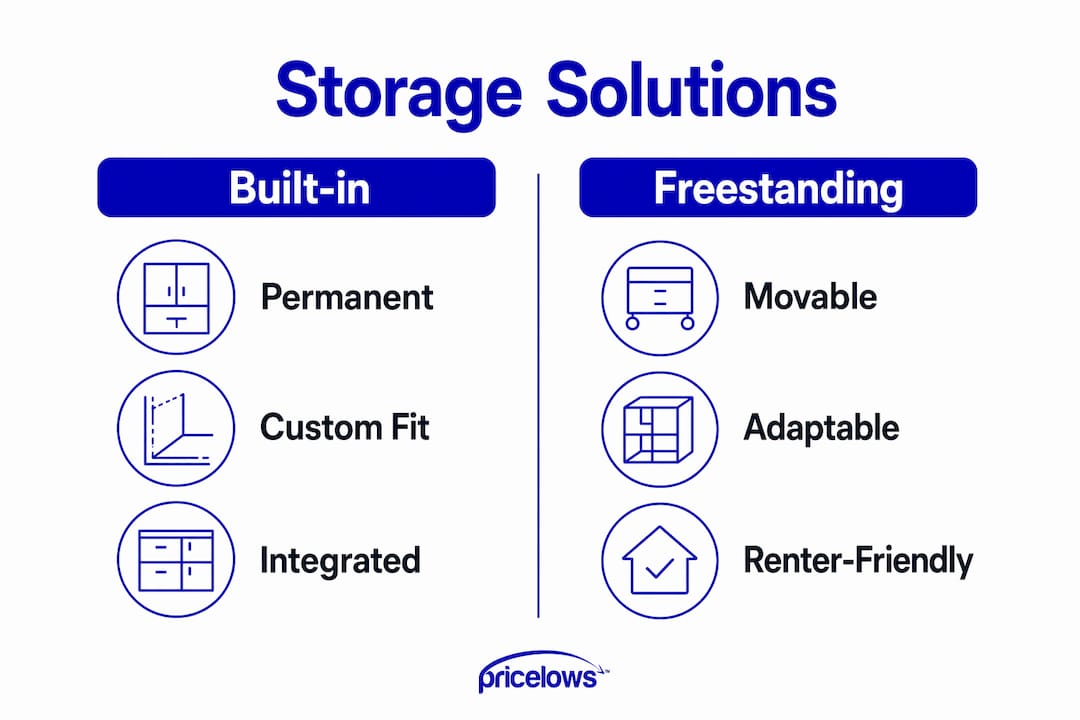
Custom built-in storage integrates with a room’s architecture more effectively than freestanding furniture. Built-ins improve both the perceived and functional value of a home, which matters for resale and rental appeal. The downside for renters is obvious: built-ins require landlord permission and often a contractor.
Freestanding furniture solves that problem entirely. It moves with you, adapts to new layouts, and never violates a lease. Professional designers suggest that renters can simulate built-ins by anchoring tall shelving units to walls with anti-tip straps, creating a cohesive, floor-to-ceiling look without permanent modification.
| Feature | Built-in storage | Freestanding storage |
|---|---|---|
| Permanence | Fixed, requires permits or approval | Portable, moves with you |
| Aesthetic cohesion | High, integrates with architecture | Moderate, depends on styling |
| Renter suitability | Low, usually requires landlord approval | High, no lease restrictions |
| Cost | Higher upfront investment | Lower, more budget-friendly |
| Flexibility | Low, difficult to reconfigure | High, easy to rearrange |
For most renters, freestanding is the practical default. The goal is to choose pieces that look built-in, using consistent finishes, full-height proportions, and tight placement against walls.
What practical tips can renters use to maximize storage without alterations?
Decluttering before adding storage is the rule that most renters skip. Adding storage to a cluttered space just organizes the clutter. It does not solve the underlying problem. Start by removing what you do not use, then design storage around what remains.
Follow these steps to set up a renter-friendly storage system:
- Audit every item you own. Separate things into keep, donate, and discard piles before buying a single bin or shelf.
- Choose appropriately scaled furniture. Oversized furniture overwhelms small rooms, reducing comfort and navigability. Look for pieces labeled “apartment-sized” or measure your floor plan before purchasing.
- Install renter-safe hardware. Adhesive hooks, tension rods, and over-the-door racks add significant storage without touching walls permanently.
- Design for daily use. Storage built for everyday living, not rare events, gets used consistently and stays organized longer.
- Use collapsible bins for flexible storage. Stackable, foldable bins compress when empty and expand when needed, making them ideal for seasonal items.
Pro Tip: Tension rods inside cabinet doors hold spray bottles upright, freeing up shelf space below. This trick works in kitchens, bathrooms, and under sinks.
How can smart storage fit into your daily routine for lasting organization?
The best storage system fails if it does not match how you actually live. Architect Rachel Robinson notes that smart storage creates intentional, flexible systems that support daily life rather than just contain objects. The mindset shift is from restriction to utility.
Lasting small space organization depends on a few consistent habits:
- Tidy in small bursts. A five-minute reset each evening prevents the buildup that leads to full-day reorganization projects.
- Assign every item a home. When everything has a fixed place, putting things away takes seconds instead of minutes.
- Balance open and closed storage. Clear acrylic containers or matched bins maintain visual lightness and prevent vertical storage from feeling chaotic.
- Blend storage with décor. Woven baskets, wooden crates, and fabric bins store items while adding texture and warmth to a room.
Home organization expert Lynn makes the point clearly: organization is a daily habit, not a one-time project. Small spaces reward consistency more than any single product purchase. The renters who maintain order long-term are the ones who build tidying into their routine, not the ones who buy the most storage.
Key Takeaways
Smart storage in small spaces works because it combines vertical use, multifunctional furniture, and daily habits to turn limited square footage into organized, functional living areas.
| Point | Details |
|---|---|
| Go vertical first | Wall-mounted shelves and pegboards reclaim floor space without permanent changes. |
| Choose multifunctional pieces | Furniture with two to three uses per piece reduces floor footprint and clutter. |
| Declutter before organizing | Adding storage to clutter only relocates the problem, not solves it. |
| Freestanding beats built-in for renters | Portable, full-height shelving units give a built-in look with full flexibility. |
| Build daily habits | Consistent small tidying sessions maintain order better than one-time reorganization. |
What I’ve learned after years of watching renters fight their own spaces
Most renters approach storage as a buying problem. They think the right bin or the right shelf will fix everything. What I’ve seen is that the real issue is almost always a systems problem. People add storage without first deciding what belongs in the space and what does not.
The renters who get it right share one trait: they treat their apartment as a designed space, not a default one. They choose furniture with intention, think vertically from day one, and resist the urge to fill every surface. Smart storage concepts that blend openness with function consistently outperform dense, packed-in solutions. A room with breathing room feels larger and works better.
My honest advice: buy less, choose better, and tidy daily. That combination beats any storage product on the market.
— Thane Holland
Affordable storage solutions at PriceLows™
Small space organization does not require a big budget. PriceLows™ carries a full range of renter-friendly storage products built for compact living, from slim rolling carts to collapsible bins and wall-mounted wire racks.
Every product ships free with a 100% shipping protection plan, so you order with confidence. The kitchen storage racks are sized for tight counters and sinks, while the adjustable wire shelving units roll into any room and reconfigure without tools. PriceLows™ has spent 15 years sourcing practical, durable home products at prices that make sense for families and renters alike. Browse the full storage collection at PriceLows™ and put your square footage to work.
FAQ
What is the role of smart storage in small spaces?
Smart storage maximizes organization and utility in limited living areas by using vertical shelving, multifunctional furniture, and flexible systems designed for daily use. The goal is to make every square foot functional without adding visual clutter.
What storage solutions work best for renters?
Renter-friendly options include adhesive hooks, tension rods, over-the-door racks, and freestanding shelving units that require no permanent wall modifications. These tools add significant storage capacity without violating lease agreements.
Should I declutter before buying storage products?
Decluttering first is the most effective step. Adding storage to a cluttered space only reorganizes the clutter rather than solving the underlying problem of having too many items for the space.
How does vertical storage help in small apartments?
Vertical storage shifts items off the floor and onto walls, freeing up navigable floor area and reducing the visual weight of a room. Pegboards, floating shelves, and floor-to-ceiling units are the most effective vertical tools for compact apartments.
Can freestanding furniture look as good as built-in storage?
Yes. Full-height freestanding shelves anchored with anti-tip straps and styled with consistent finishes closely replicate the look of built-ins while remaining fully portable and renter-safe.