


The Role of Ergonomic Yard Tools in Reducing Strain
TL;DR:
- Ergonomic yard tools are designed to fit natural body movements, reducing strain and injury risk during gardening. They lower grip force requirements by up to 43% and protect joints by meeting biomechanical standards verified through testing. Proper use, regular maintenance, and good posture maximize their injury prevention benefits over the long term.
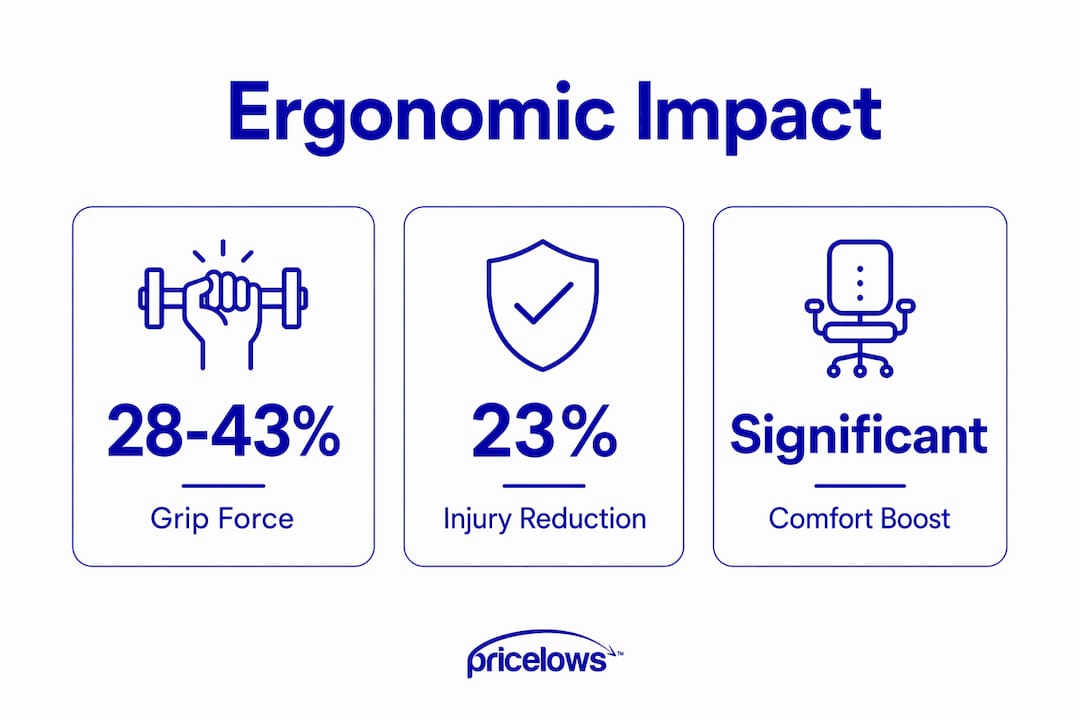
Ergonomic yard tools are purpose-built tools designed to fit your body’s natural movements, reducing grip force, wrist strain, and injury risk during yard work. The role of ergonomic yard tools goes well beyond comfort. Backed by biomechanical research and standards from organizations like NIOSH, these tools actively protect your joints, muscles, and long-term health. Properly engineered models lower grip force by 28–43% during repetitive tasks like pruning. That single metric separates a tool that protects you from one that simply feels softer in your hand.
How do ergonomic yard tools reduce physical strain and prevent injuries?
Ergonomic gardening equipment works by aligning with your body’s mechanics rather than forcing your body to adapt to the tool. The most measurable benefit is grip force reduction. Tools meeting biomechanical standards reduce median nerve compression by 37% and ulnar deviation strain by 49% during 30 minutes of use. Ulnar deviation is the sideways bending of your wrist toward the pinky side, a position that causes cumulative trauma over time.
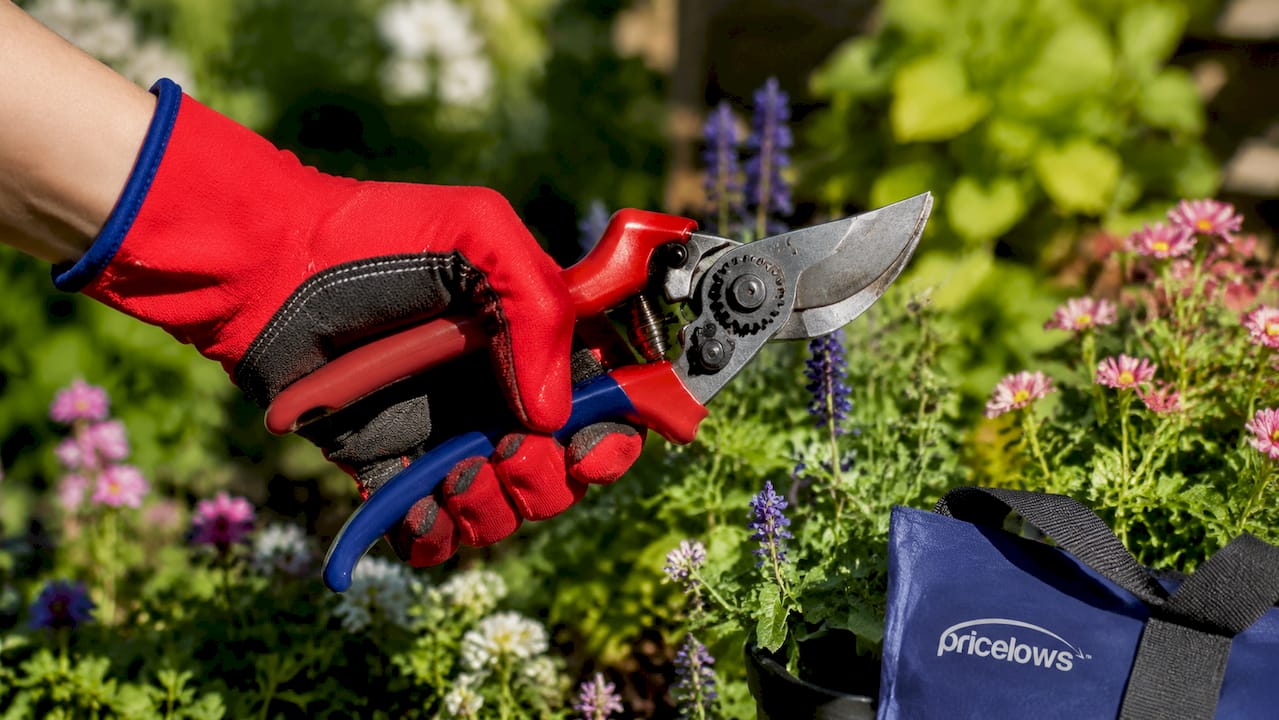
Ratchet pruners are one of the clearest examples of this engineering in action. They break one hard squeeze into 4 smaller motions, preventing carpal tunnel syndrome and trigger finger by reducing peak joint forces. Doctors recommend them for gardeners of all ages, particularly those with 10 to 30 years of gardening ahead of them.
The injury reduction numbers are significant across tool categories. Gardeners using ergonomic hand tools report 23% fewer upper-limb injuries and 30% less hand fatigue over 18 months compared to traditional tools. They also complete tasks 20% faster. Less strain means more time doing what you enjoy.
| Metric | Traditional Tools | Ergonomic Tools |
|---|---|---|
| Grip force required | Baseline | Reduced by 28–43% |
| Median nerve compression | Baseline | Reduced by 37% |
| Ulnar deviation strain | Baseline | Reduced by 49% |
| Upper-limb injuries (18 months) | Baseline | Reduced by 23% |
| Vibration transmitted to hand | Baseline | Dampened by 22–31% |
Pro Tip: When testing a pruner or trowel in a store, hold it in a natural handshake grip. If your wrist bends sharply inward or outward to use it, the handle geometry is working against you.
What features define truly effective ergonomic gardening equipment?
Not every tool marketed as “ergonomic” meets the biomechanical threshold that actually prevents injury. True ergonomic tools require engineering beyond a padded grip. Tools failing key thresholds offer only short-term comfort, not long-term injury protection.
The features that separate genuine ergonomic gardening equipment from comfort-only products include:
- Curved or angled handles that keep your wrist in a neutral position, avoiding ulnar deviation during digging, raking, or pruning
- Grip force reduction of at least 28% verified through biomechanical testing, not just marketing claims
- Vibration dampening of 22–31% to protect nerves and soft tissue during power tool or repetitive manual use
- Strain reduction near 50% for wrist and forearm muscles during sustained tasks
- Balanced weight distribution so the tool does not pull your arm into a compensating posture
- Non-slip, textured grip surfaces that reduce the force you need to apply to maintain control
When choosing ergonomic yard tools, ask for empirical test data or look for tools that reference biomechanical validation. Identifying truly ergonomic tools requires looking past the label and into the engineering behind it. A well-designed tool will have measurable performance data, not just a softer handle.
Pro Tip: Check the product description for terms like “neutral wrist alignment,” “biomechanical testing,” or “grip force reduction.” These phrases signal that the manufacturer has done the engineering work, not just the marketing.
How do ergonomic tools improve comfort, reduce mental fatigue, and support long-term gardening?
The impact of ergonomic yard tools extends beyond your hands and wrists. NIOSH experts confirm that ergonomic tools reduce cognitive load and mental fatigue by aligning with natural user mechanics. When a tool fits your body, you spend less mental energy compensating for discomfort and more focus on the task itself.
Long-term gardeners consistently report decreased frustration and higher productivity after switching to ergonomic equipment. The physical ease translates directly into a better experience. You finish a session feeling accomplished rather than sore and reluctant to return the next day.
“Maintaining tool sharpness and balance is critical. A dull blade or unbalanced tool negates ergonomic benefits by increasing required force, pushing your joints back toward the strain levels you were trying to avoid.”
Long-handled tools deserve special attention here. They help maintain upright posture and significantly reduce back strain by eliminating the need to bend and twist repeatedly. Rakes, hoes, and watering wands with thumb controls are practical examples that protect your spine across an entire gardening session. For aging gardeners or anyone managing joint pain, these tools extend the years you can comfortably work in your yard.
The benefits of ergonomic tools also compound over time. A gardener who avoids repetitive strain injuries in their 40s and 50s preserves the hand and back strength needed to keep gardening into their 60s and 70s. That is the real long-term value of choosing the right equipment now.
Practical tips for integrating ergonomic tools into your gardening routine
Ergonomic tools work best as part of a system, not as a standalone fix. Physical therapist Abhishek Bartwal emphasizes that tool use alone is insufficient without upright posture and supportive gear. The tools reduce the mechanical load. Your habits determine whether that reduction holds over time.
Follow these practices to get the most from your ergonomic gardening equipment:
- Combine tools with posture awareness. Keep your back straight and knees slightly bent. Use kneeling pads when working close to the ground.
- Rotate tasks every 20–30 minutes. Switching between pruning, raking, and watering prevents any single muscle group from accumulating strain.
- Never exceed 2.5 hours of continuous use. Even the best ergonomic tool cannot prevent cumulative trauma without breaks. Schedule rest periods into every session.
- Sharpen and balance your tools regularly. A dull blade forces you to apply more force, canceling out the ergonomic design. Check your yard maintenance tools checklist to build a maintenance schedule.
- Trial tools before committing. Hold the tool, mimic the motion you use most, and check for wrist neutrality and comfortable grip width.
- Wear supportive gloves. Padded gloves add a layer of vibration dampening and improve grip without increasing required force.
Pro Tip: Hand size and grip strength vary widely. A tool that works for a large-handed gardener may cause strain for someone with smaller hands. Look for tools with adjustable grip widths or multiple handle size options when shopping from a budget yard tool guide.
Key Takeaways
Ergonomic yard tools reduce physical strain, prevent injuries, and improve long-term gardening comfort when chosen based on biomechanical standards and used alongside good posture habits.
| Point | Details |
|---|---|
| Grip force reduction matters most | Look for tools that lower grip force by at least 28% through verified biomechanical design. |
| Ratchet pruners protect joints | Breaking one squeeze into 4 smaller motions prevents carpal tunnel and trigger finger over time. |
| Mental fatigue drops too | NIOSH confirms ergonomic tools reduce cognitive load, not just physical strain. |
| Maintenance preserves benefits | Dull or unbalanced tools increase required force and cancel out ergonomic engineering. |
| Tools need posture to work | Ergonomic equipment combined with upright posture and task rotation delivers the full injury-prevention effect. |
What I’ve learned after years of watching gardeners get this wrong
Most gardeners buy an ergonomic tool once, feel the difference for a week, and then go back to their old habits. They stop taking breaks. They skip sharpening the blade. They hunch over the same way they always did. Then they wonder why their wrist still aches.
The tools are only half the answer. I have seen gardeners with the best ratchet pruners on the market still develop forearm strain because they worked through a three-hour session without rotating tasks. The biomechanical engineering in a good tool buys you protection within a session. It does not buy you immunity from bad habits.
The other mistake I see constantly is buying based on feel alone. A thick foam grip feels good in a store. It does not mean the handle geometry keeps your wrist neutral during 45 minutes of pruning. Ask for the data. If the manufacturer cannot tell you the grip force reduction percentage, the tool is a comfort product, not an ergonomic one.
Investing in verified ergonomic tools is investing in how many years you get to spend in your garden. That is worth taking seriously.
— Thane Holland
Yard tools work better when they have a proper home
Ergonomic tools protect your body during yard work. Proper storage protects the tools between sessions. A disorganized garage forces you to dig through cluttered shelves, grab tools by the wrong end, and store blades in positions that dull them faster.

PriceLows™ carries a full range of garage storage solutions built to keep your ergonomic gardening equipment accessible and in top condition. The rolling garage tool cabinet features a lockable steel chest with a powder-coated rust-resistant finish, giving your tools a secure, organized home. For a complete setup, the 6-piece garage cabinet set includes a pegboard, rolling chests, and a rubberwood worktop. PriceLows™ offers free shipping and a 100% shipping protection plan on every order.
FAQ
What is the main role of ergonomic yard tools?
Ergonomic yard tools reduce grip force, minimize wrist strain, and lower injury risk by fitting your body’s natural movements during yard work. They protect joints and muscles across long-term gardening use.
How much do ergonomic tools actually reduce grip force?
Properly engineered ergonomic tools lower grip force requirements by 28–43% during repetitive tasks like pruning, reducing forearm muscle activity and cumulative trauma risk.
Are ergonomic tools worth it for occasional gardeners?
Yes. Even light gardening sessions accumulate strain over months and years. Ergonomic designs reduce injury risk from the first use and are especially valuable for gardeners with existing joint sensitivity.
What is the difference between a comfort tool and a truly ergonomic tool?
A comfort tool uses padding or soft grips for short-term feel. A truly ergonomic tool meets biomechanical benchmarks, including grip force reduction above 28% and vibration dampening of 22–31%, verified through testing.
How often should I maintain my ergonomic yard tools?
Sharpen blades and check handle balance at the start of each season and after heavy use. A dull or unbalanced tool increases the force you need to apply, negating the ergonomic design.