


Fun DIY Family Projects That Build Bonds and Skills
TL;DR:
- Fun DIY family projects are affordable, use common household materials, and develop real skills for all ages. Incorporating real tools with supervision builds confidence and enhances safety during creative activities. Proper preparation and adaptable tasks ensure engagement and meaningful learning across different skill levels.
Fun DIY family projects are creative activities designed to engage every family member, sharpen fine motor skills, and create lasting memories at home. The best projects cost little, use materials you already own, and teach real skills along the way. From bead suncatchers to weekend woodworking builds, the options suit toddlers through teens. PriceLows™ carries the storage and tool solutions that keep your craft space ready for the next project.
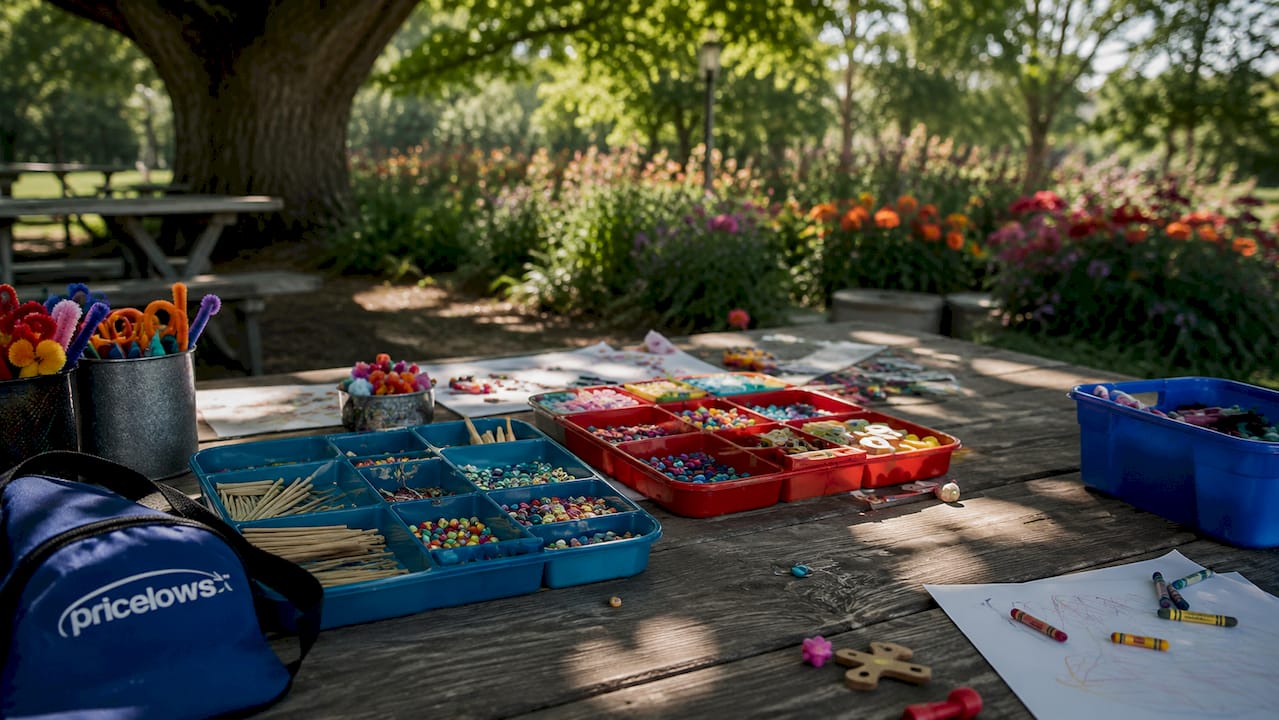
1. What are fun DIY family projects families can start today?
Family craft ideas work best when they are simple enough for kids to finish and satisfying enough for adults to enjoy. The projects below cover a wide range of ages, budgets, and skill levels.
- Handprint art. Press each family member’s hand onto canvas or cardstock to create a keepsake. Apply paint with a brush rather than dipping hands directly. Brush application keeps details crisp and cut cleanup time significantly.
- DIY kaleidoscope. This is one of the best easy DIY projects for kids who love science. Assembly takes 10–15 minutes and costs as little as $0–3 using household materials. Kids learn about light reflection while building something they can actually use.
- Painted rock art. Collect rocks from the yard, wash them, and let kids paint animals, faces, or patterns. Seal with clear craft spray for a finished look. This project works for ages 3 and up with zero special tools.
- Slime making. Mix white glue, baking soda, and contact lens solution for a classic sensory activity. Kids learn basic chemistry concepts through hands-on mixing and measuring.
- Bead suncatchers. Arrange plastic pony beads in a metal pie tin and melt them in the oven. The result is a colorful sun-catching ornament that hangs in any window.
- DIY suncatchers with tissue paper. Suncatcher projects cost roughly $1 using recycled plastic lids and tissue paper, making them ideal for budget-conscious summer DIY family projects.
Pro Tip: Set up a dedicated craft tray for each child before starting. Pre-portioning materials cuts down on mid-project chaos and keeps younger kids focused.
2. How can families use real tools safely in DIY projects?
Engaging children with real tools builds genuine confidence that toy versions cannot replicate. The key is matching the tool to the child’s age and hand strength.
- Tightening screws (ages 4+). A hand screwdriver is the safest first tool. Kids practice grip strength and learn cause and effect as the screw sinks into wood.
- Measuring with a tape measure (ages 5+). Reading a tape measure introduces basic math in a real context. Have kids measure furniture, shelves, or lumber cuts before you make them.
- Sanding wood (ages 6+). Sanding a rough board smooth teaches patience and shows kids how surface prep affects the final result. Use 120-grit sandpaper and keep strokes even.
- Drilling pilot holes (ages 8+ with supervision). A cordless drill on a low torque setting lets older kids feel the power of real tools without risk. Always clamp the workpiece first.
- Building a 4-in-1 activity table. This is a popular weekend build for children aged 3 and up. The build takes 1–2 days and requires a drill, miter saw, and a Kreg Jig for pocket holes. Parents handle the power tools while kids sand, paint, and assemble smaller parts.
Pro Tip: Pre-cut all parts and finish edge banding before the build day. Prep work done in advance turns a complex project into a smooth family weekend activity.
3. What are the best sensory DIY projects for preschoolers?
DIY craft projects foster creativity, fine motor skills, and problem-solving that are foundational for early childhood development. Preschoolers learn best through touch, color, and repetition.
- Sensory bins. Fill a plastic bin with dried rice, beans, or kinetic sand. Add small toys, scoops, and cups. Kids develop hand strength and focus through open-ended play.
- Sponge painting. Cut kitchen sponges into shapes and dip them in washable paint. The texture creates unique prints and builds grip control in small hands.
- Bead suncatchers. Preschoolers can sort and arrange beads by color before an adult handles the oven step. Sorting builds early math skills alongside the craft.
- Tissue paper collage. Tear colored tissue paper into pieces and glue them onto cardstock. Tearing paper strengthens finger muscles used later for writing.
| Project | Age Range | Key Skill Developed |
|---|---|---|
| Sensory bin | 2–5 | Hand strength, focus |
| Sponge painting | 3–6 | Grip control, color recognition |
| Bead suncatcher | 4–7 | Sorting, color matching |
| Tissue paper collage | 2–5 | Fine motor, creativity |
Using everyday items in crafts supports cognitive growth without requiring a trip to the craft store. Most of these materials live in your kitchen or recycling bin right now.
4. How to customize creative family projects for different ages
The best creative family projects flex to fit everyone at the table. A single project can challenge a 10-year-old and still include a 3-year-old with a few small adjustments.
- Layer complexity by age. On a painted rock project, toddlers choose colors and apply base coats while older kids add fine details with thin brushes. Everyone contributes at their own level.
- Assign roles, not just tasks. Give kids titles like “materials manager” or “quality checker.” Roles create ownership and reduce the feeling that one child is doing more than another.
- Scale the kaleidoscope project. Younger kids fill the bead chamber while older kids balance the bead-to-space ratio for the best light effect. Overfilling causes jamming, so older kids learn to test and adjust.
- Add a challenge step for teens. On any Mom and kid DIY craft project, give teenagers a design constraint. Ask them to use only three colors or build something that must hold weight. Constraints push creative thinking.
- Let kids lead one project per month. Rotating leadership builds confidence and gives you insight into what each child finds genuinely interesting.
The primary value of family DIY builds is sustained engagement and developmental diversity rather than a perfect finished product. A slightly wobbly birdhouse built together beats a flawless one built alone.
Key takeaways
The most effective fun DIY family projects combine low cost, age-flexible tasks, and real skill-building to create both a finished product and a shared memory.
| Point | Details |
|---|---|
| Start with low-cost projects | Kaleidoscopes and suncatchers cost $0–3 and teach real STEM concepts. |
| Use real tools early | Screwdrivers and tape measures build confidence that toy versions cannot. |
| Match projects to age | Layer tasks so toddlers and teens both contribute meaningfully. |
| Prep materials in advance | Pre-cutting and pre-sorting keeps build days smooth and frustration-free. |
| Prioritize process over product | Sustained engagement and skill growth matter more than a perfect result. |
Why I think most families are doing DIY projects wrong
Most families treat craft time as a contained activity with a clear start, middle, and end. They pull out the supplies, make the thing, and clean up. That approach misses the real point.
The projects that stuck with my kids were never the ones that came out perfectly. They were the ones where something went sideways and we had to figure it out together. The kaleidoscope that jammed because we overfilled the beads. The activity table where we measured wrong and had to recut a board. Those moments taught more than any finished product ever could.
Real tools matter more than most parents realize. Handing a child a real screwdriver instead of a plastic toy one sends a clear message: I trust you with this. That trust is worth more than any craft kit.
My honest advice is to pick one slightly ambitious project per season and commit to it fully. Skip the quick Pinterest win. Build something that takes two days, requires problem-solving, and leaves a mark on your home. Your kids will remember it for decades.
— Thane Holland
Stock your craft space with PriceLows™
A well-organized craft space makes every weekend project easier to start and finish. When supplies have a home, kids can grab what they need without turning the garage upside down.

PriceLows™ carries a rolling garage tool cabinet with a lockable steel chest and powder-coated finish, built to hold everything from paint supplies to hand tools. For families who need more room, the 6-piece garage cabinet set includes a rubberwood worktop, pegboard, and rolling chests. Both ship free with PriceLows™ 100% shipping protection. Check out the full range of craft supply storage options to find what fits your space and budget.
FAQ
What are the easiest DIY projects for kids under 5?
Sensory bins, sponge painting, and tissue paper collages are the easiest options. They use household materials, require no sharp tools, and build fine motor skills through play.
How long does a DIY kaleidoscope take to make?
A DIY kaleidoscope takes 20–30 minutes total, with assembly running 10–15 minutes. The total cost is $0–3 depending on whether you use repurposed household materials.
Are real tools safe for children during family DIY projects?
Yes, with age-appropriate tasks and adult supervision. Children as young as 4 can safely tighten screws, while older kids aged 8 and up can use a cordless drill on low torque with a clamped workpiece.
What is the best summer DIY family project for a weekend?
Building a 4-in-1 activity table is one of the best weekend builds for families. It takes 1–2 days, suits children aged 3 and up, and produces a piece of furniture the whole family uses long after the project ends.
How do I keep craft supplies organized between projects?
Use labeled bins or a dedicated storage cabinet to separate supplies by type. A lockable cabinet keeps sharp tools out of reach while keeping everything visible and accessible for the next project.