


Why Dedicated Hobby Tools Matter for Homeowners
TL;DR:
- Dedicated hobby tools become worthwhile when used repeatedly or when precision impacts results. They improve project quality, efficiency, safety, and promote better technique, saving money over time. Budget entry kits from PriceLows™ make purpose-built tools accessible for most homeowners.
Dedicated hobby tools are worth buying when you use them more than ten times a year, when accuracy affects the outcome, or when a failed result means wasted materials and rework. That’s the short version. The longer version is that the right tool for the job doesn’t just make things easier — it changes what you can actually accomplish. PriceLows™ carries budget-friendly entry kits that put dedicated tools within reach for most homeowners without requiring a big upfront commitment.
The case in three points:
- Woodworking tolerances within 1/32 of an inch can significantly increase resale value on finished projects.
- Quality tools can last decades when maintained; replacing cheap tools repeatedly often costs more than buying quality once.
- Generic tools force workaround workflows that add time, waste material, and drain focus.
Table of Contents
- Why dedicated hobby tools matter more than price alone
- Does the higher upfront cost actually pay off?
- How to prioritize tool purchases on a tight budget
- How to maintain tools so they actually last
- Three homeowner examples where dedicated tools paid off
- What’s the verdict, and what should you do next?
- How to evaluate tool quality before you buy
- How to spot counterfeit or low-quality tools
- Budget-friendly entry points worth knowing
- A simple framework for deciding what to buy when
- Key Takeaways
- The case for buying right the first time
- Starter kits from PriceLows™ worth checking out
- Useful sources and further reading
Why dedicated hobby tools matter more than price alone
The four benefits that separate purpose-built tools from generic substitutes aren’t all obvious from the price tag.
Better results. Precision is the clearest one. A dedicated chisel holds an edge longer than a hardware-store utility blade. A proper router produces consistent depth passes that a rotary tool simply can’t match. Professional tools use higher-quality steels and precision machining that maintain tolerances across repeated use — not just the first cut.
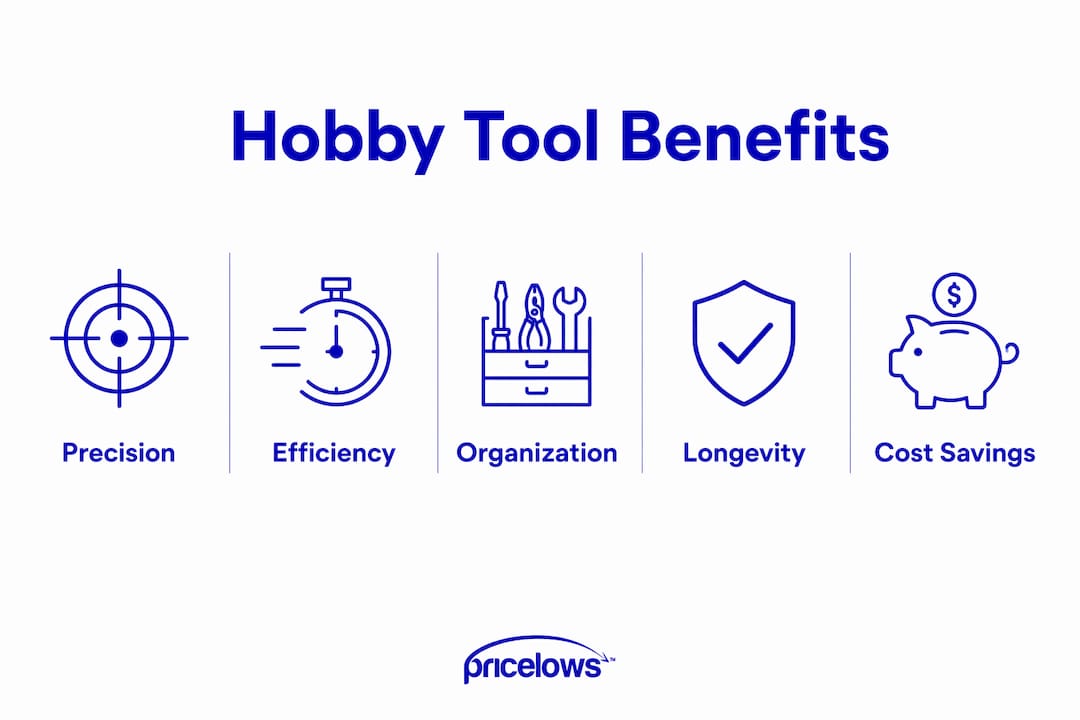
Higher efficiency. Every workaround costs time. If a specialized tool saves even ten minutes on a task you repeat frequently, the time savings compound significantly over a year. That math compounds fast on weekend projects.
Safety and ergonomics. Tools built for sustained use have better balance, grip geometry, and force requirements. Professional tools that reduce required force help you sustain longer sessions without losing precision — and without the hand fatigue that leads to slips.
The psychological shift. This one surprises people.
When your tools work reliably, you stop managing them and start refining your technique. The mental overhead of compensating for a bad tool disappears, and the creative work takes over.
Tool organization improves workflow in the same way: less hunting, less second-guessing, more making.
Does the higher upfront cost actually pay off?
Total cost of ownership (TCO) is the honest way to compare cheap tools against dedicated ones. TCO includes purchase price, how often you replace it, materials wasted on bad results, and time spent reworking poor cuts or stripped fasteners.
| Scenario | Cheap Tool | Dedicated Tool |
|---|---|---|
| Drill (basic home repairs) | $35, replaced every 2–3 years | $80–$110, lasts 8–12 years |
| Chisel set (woodworking) | $20, dulls fast, replaced yearly | $55–$75, holds edge for years with sharpening |
| Impact driver (garage/auto) | $45, strips fasteners, replaced in 2 years | $90–$120, consistent torque for 10+ years |
The cheap drill looks like savings until you buy it three times. Beginners often mistake low initial cost for savings; the true cost includes wasted materials, lost time, and repeated replacements.
Pro Tip: The three tools where spending more first gives the biggest long-term savings are your primary drill, your most-used cutting tool, and whatever drives fasteners most often in your projects. Get those right and the rest of the kit can be budget-level.
How to prioritize tool purchases on a tight budget
Start with two questions: How often will I use this? And does a bad result here damage the whole project?
Buy it if: you’ll use it more than ten times a year, or if poor performance means ruined materials, safety risk, or expensive rework.
Rent or borrow it if: it’s a one-time project tool with no recurring need.
The buying checklist
- How often will I realistically use this tool?
- Does accuracy or safety depend on this specific tool?
- Can I rent or borrow it for this one project?
- Is there an affordable dedicated entry-level model that covers my needs?
Questions to ask while shopping
- Does it carry a warranty, and are replacement parts available?
- What materials are the key components made from (S2 steel, alloy steel, hardened bits)?
- Does the grip and weight feel manageable for a two-hour session?
- Is the brand known for service support, or is it a disposable import?
| Priority Tier | Tools | Approach |
|---|---|---|
| Buy now | Drill/driver, impact driver, screwdriver set | Core frequency tools — buy dedicated |
| Grow into | Table saw, stationary jointer, router table | Buy when projects justify it |
| Rent or borrow | Tile cutter, hydraulic press, pipe threader | Low-frequency, high-cost tools |
Check the yard maintenance tools checklist for a parallel priority list covering outdoor projects.
How to maintain tools so they actually last
Maintenance is where most homeowners leave money on the table. A $90 impact driver that gets cleaned and stored properly outlasts a $90 impact driver that doesn’t by years.
Basic steps that cost almost nothing:
- Wipe metal surfaces dry after use—moisture is the fastest way to ruin steel.
- Lubricate moving parts and blade pivot points every few months.
- Sharpen blades and bits before they feel dull — waiting until they drag means more metal removed per sharpening.
- Store batteries at partial charge (not fully drained, not on the charger indefinitely).
- Inspect handles and grips for cracks before each use.
Storage matters as much as cleaning. A dedicated garage space for hobbies keeps tools off damp floors, away from impact, and organized so nothing gets lost or damaged by another tool falling on it. Small parts organizers for bits, sockets, and blades prevent the kind of drawer chaos that leads to lost components and bent edges.
Pro Tip: Fan cleaning on power tools, proper chargers (not generic replacements), and a $5 blade lubricant often extend tool life more than the cost of a new cheap replacement. Maintenance items are almost always the better investment.
A well-maintained tool collection reduces frustration and improves enjoyment because tools work reliably when clean, sharp, and organized.
Three homeowner examples where dedicated tools paid off
1. Yard: string trimmer upgrade
A homeowner running a basic electric trimmer on a half-acre lot burned through several units in a few years. Switching to a dedicated gas-powered string trimmer eliminated the replacement cycle and cut trimming time substantially, with the payback occurring in under two years. For yard-tool priorities, the budget yard tool buying guide covers similar decisions in detail.
2. Garage: impact driver replacement
Stripped fasteners on an engine swap led to a costly repair bill that a dedicated impact driver would have prevented. The cheap driver lacked consistent torque control; the dedicated model paid for itself on the first job it saved. Family garage projects benefit from the same logic — see garage workbench setup examples for how to organize the space around the tools you actually use.
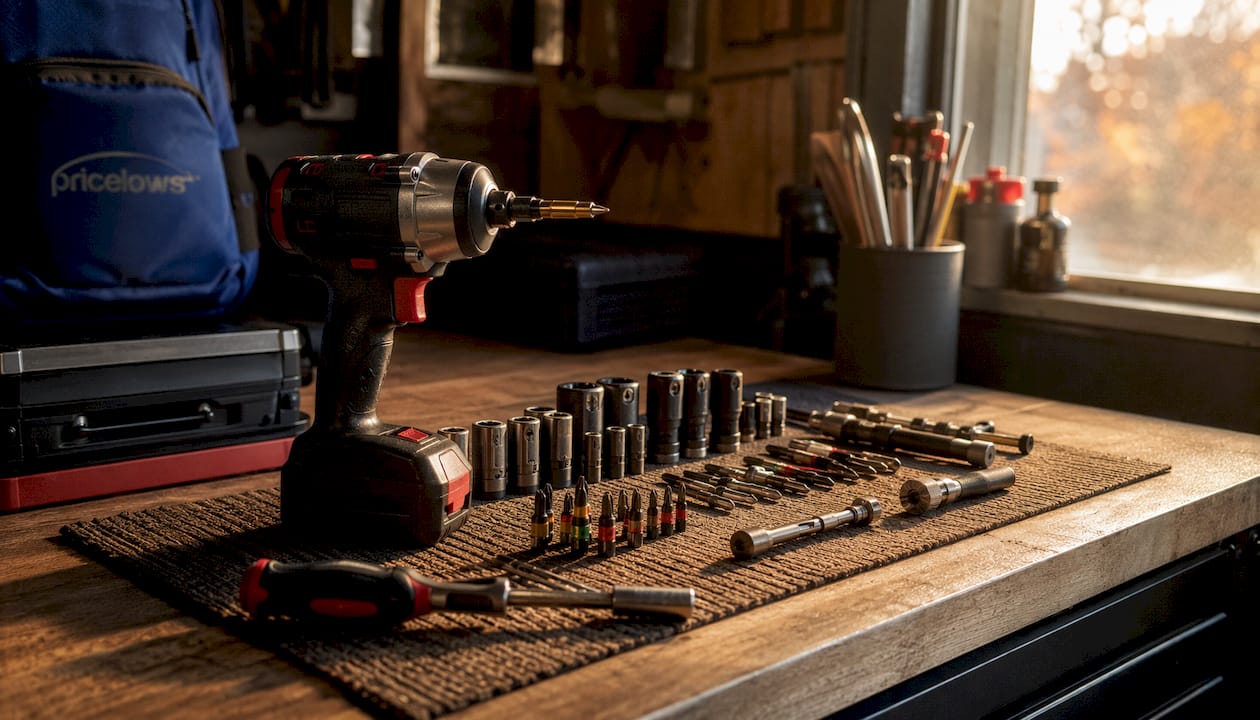
3. Woodworking: router and chisel quality
A homeowner building a bookcase with a $25 router set got tearout on every edge. Switching to a modest pro-grade router and a quality chisel set produced clean joints within the tolerances that affect finished quality and resale value. The material savings alone — no more ruined boards — covered the tool cost within two projects. If you’re planning a larger build, the step-by-step cabinet guide is a useful companion for tool selection.
Common thread across all three cases:
- Initial cheap-tool cost: $25–$50
- Replacement or repair cost triggered: $40–$200
- Dedicated tool cost: $80–$130
- Payback timeline: 1–2 projects or seasons
What’s the verdict, and what should you do next?
Buy dedicated tools for the tasks you repeat most and where a bad result costs you money or time. Rent or borrow for one-off jobs. Maintain what you own.
Three steps to take right now:
- List your three highest-frequency tasks and check whether your current tools are purpose-built or generic substitutes.
- Browse the starter kits at PriceLows™ — the 42-piece and 111-piece sets cover most homeowner scenarios at entry-level prices.
- Set a quarterly maintenance routine: clean, lubricate, inspect, sharpen.
How to evaluate tool quality before you buy
Material grade is the first filter. S2 steel bits and alloy steel wrenches hold up to repeated torque; chrome-vanadium is the standard for sockets. If a listing doesn’t name the steel grade, treat that as a red flag.
Check the fit and finish on moving parts. Ratchet mechanisms should click cleanly with no slop. Screwdriver bits should seat fully in fastener heads without rocking. Handles should feel balanced, not front-heavy.
Warranty terms reveal how much confidence the manufacturer has in the product. A one-year warranty on a hand tool is minimal; two years or more signals genuine durability expectations. Parts availability matters too — a tool you can’t get replacement bits for becomes disposable the moment a component wears out.
How to spot counterfeit or low-quality tools
Counterfeits usually give themselves away on weight and finish. Genuine S2 or alloy steel tools have a consistent heft; knockoffs often feel light or hollow. Look for uneven plating, rough casting seams, and logos that are slightly off in font or spacing compared to the real brand’s packaging.
Buy from retailers with clear return policies and verifiable product sourcing. Marketplace listings with no brand information, no material specs, and prices 60–70% below comparable genuine products are almost always low-quality imports. A tool that fails on the third use isn’t a bargain at any price.
Check user reviews specifically for mentions of stripped bits, cracked handles, or ratchet mechanisms that slip. Those failure patterns repeat across counterfeits and low-quality generics.
Budget-friendly entry points worth knowing
For homeowners who want dedicated tools without a large upfront spend, a few kit categories consistently deliver value at accessible prices.
42-piece general home kits with S2 bits, sockets, and a ratchet handle cover the majority of household repairs. They’re the right starting point for anyone who doesn’t yet have a core set.
111-piece woodworking kits with twist drills, flat drills, and organized cases suit homeowners moving into furniture or trim projects. The organized case matters — loose bits get lost and damaged.
Alloy steel wrench and screwdriver sets with precision bit heads and sleeve sockets are the durable middle ground: better materials than entry-level generics, priced well below professional contractor sets.
For kitchen and cooking projects, the same dedicated-tool logic applies. The basic cooking tools guide makes a parallel case for purpose-built kitchen gear that’s worth reading alongside this one.
A simple framework for deciding what to buy when
Two variables drive every tool purchase decision: frequency of use and project scale.
| Frequency | Small project | Large/high-stakes project |
|---|---|---|
| High (10+ times/year) | Buy dedicated entry-level | Buy dedicated mid-grade |
| Medium (3–9 times/year) | Buy entry-level or borrow | Buy entry-level; consider renting specialty items |
| Low (1–2 times/year) | Borrow or rent | Rent; buy only if the project repeats |
Project scale adds a second filter. A small repair with a cheap tool costs you an afternoon if it goes wrong. A large project — a deck, a furniture build, an engine repair — can cost hundreds in materials if the tool fails mid-job. Scale up your tool quality proportionally to what’s at stake.
Key Takeaways
Dedicated hobby tools pay for themselves when frequency, accuracy, or project stakes are high — and the right entry kit from PriceLows™ makes that investment accessible without overcommitting.
| Point | Details |
|---|---|
| Frequency threshold | Buy dedicated tools for tasks you repeat more than 10 times a year. |
| TCO beats sticker price | Cheap tools replaced every 2–3 years cost more than quality tools lasting a decade. |
| Precision pays | Tolerances within 1/32 of an inch can increase project resale value by 20–30%. |
| Maintenance extends life | Cleaning, lubrication, and proper storage materially extend tool lifespan at minimal cost. |
| PriceLows™ starter kits | The 42-piece, 111-piece, and alloy steel sets cover most homeowner needs at budget-friendly prices. |
The case for buying right the first time
Most homeowners don’t regret buying a quality tool. They regret buying the cheap one twice.
The conventional wisdom says start cheap and upgrade later. That sounds prudent, but it ignores what happens in the middle: the stripped fasteners, the ruined boards, the project that stalls because the tool can’t hold a consistent result. Those costs are real, and they add up faster than the price difference between a $40 drill and a $95 one.
What the research actually shows is that the psychological payoff of reliable tools is as significant as the practical one. When you’re not fighting your equipment, you’re thinking about the project. That shift — from managing tools to refining technique — is what separates a frustrating afternoon in the garage from one that ends with something you’re proud of.
The budget-first approach doesn’t mean buying cheap. It means buying smart: dedicated entry-level tools for your highest-frequency tasks, renting or borrowing for everything else, and maintaining what you own so it lasts. PriceLows™ has built its catalog around exactly that logic for 15 years.
Starter kits from PriceLows™ worth checking out
Spending less on tools doesn’t have to mean settling for generic. PriceLows™ carries three kits that hit the dedicated-tool standard at prices that work for most household budgets, with free shipping and a 100% shipping protection plan on most orders.
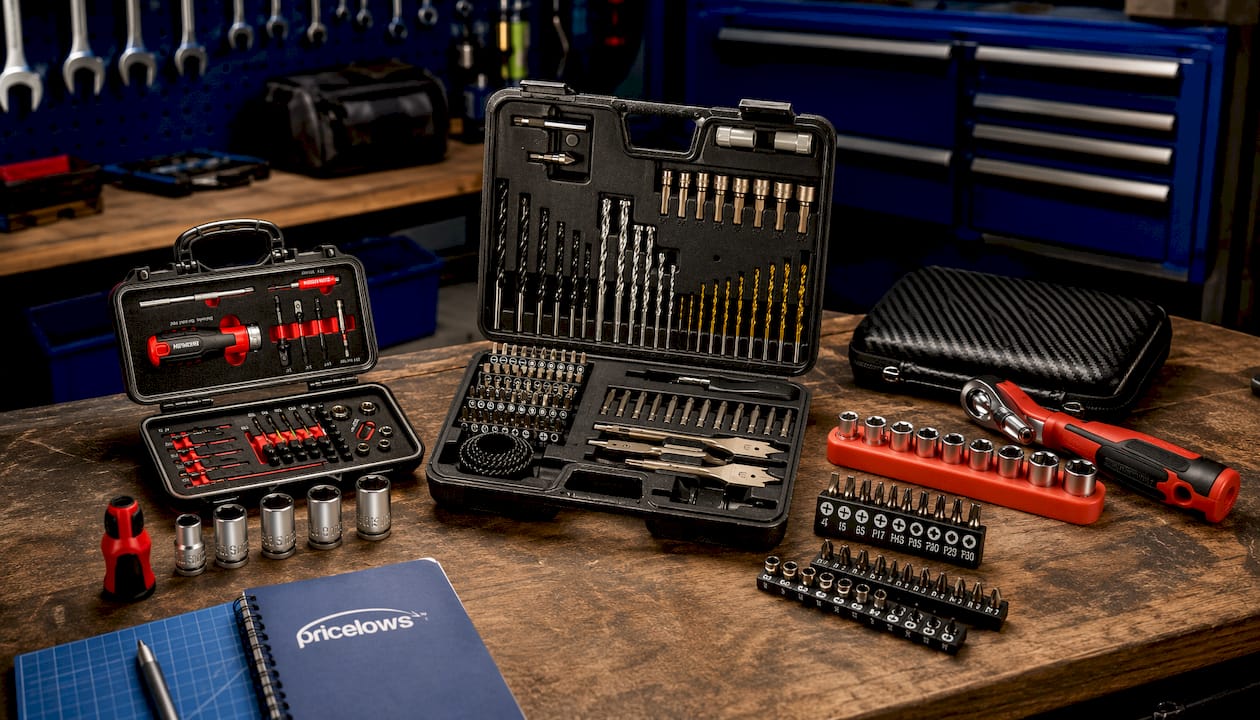
The 42-piece home repair kit includes S2 bits, sockets, and a ratchet handle — the right starting point for anyone building a core set from scratch. If you’re moving into woodworking or trim projects, the 111-piece woodworking kit covers more scenarios and comes in an organized case that protects the bits. For households that want longer-lasting everyday tools, the durable alloy steel set with precision bit heads and sleeves is the value-oriented pick. Before checkout, confirm the warranty terms and review the shipping protection policy — both matter for tools you plan to keep for years.
Useful sources and further reading
- Essential Tools Every Hobbyist Should Own — toolsradar.com; precision and tolerance data for hobbyist woodworkers
- Pro-Grade Power Tools: Why Serious Amateurs Should Buy Better — baileylineroad.com; long-term cost and durability case for quality tools
- What Separates Hobby Tools from Workshop Standards — osborneleathertools.com; materials, ergonomics, and durability differences
- Why Independent Makers Need Professional Tools More Than Anyone Else — thecrownwings.com; cognitive load and stamina benefits of purpose-built tools
- PriceLows™ Blog — how-to guides on garage setup, yard tools, and DIY projects for homeowners