


Underrated Kitchen Tools That Actually Change How You Cook
TL;DR:
- Affordable, multifunctional kitchen tools like microplane zesters, shears, and bench scrapers cost little and solve common cooking problems effectively. These tools significantly improve efficiency, food quality, and cleanup while offering high versatility for under $20 each. Prioritizing a few high-utility tools creates a more streamlined and effective kitchen setup than filling drawers with trendy gadgets.
Underrated kitchen tools are affordable, multifunctional utensils that most home cooks overlook in favor of flashy gadgets. The category includes items like microplane zesters, kitchen shears, bench scrapers, and mini offset spatulas. These tools typically cost between $5 and $18, yet they solve real problems in the kitchen every single day. If you have ever wondered what are underrated kitchen tools and why professional cooks swear by them, the answer is simple: they do more work per dollar than almost anything else in your drawer.
What are underrated kitchen tools most home cooks skip?
The most overlooked tools share two traits: a low price tag and a surprisingly wide range of uses. Budget-friendly tools like bench scrapers, mini offset spatulas, and microplane zesters start at just $5 to $18. That price point makes them easy to dismiss, but each one solves a specific problem faster than the tool you are probably using now.
Here are the underappreciated cooking tools worth adding to your kitchen today:
- Microplane zester: Professional chefs call the microplane a worthwhile unitasker because it grates spices, frozen butter, ginger, and citrus zest more efficiently than any standard box grater. The fine blades produce a finer, more even result with less effort.
- Kitchen shears: A good pair of shears cuts prep time by up to 70% for tasks like snipping herbs, trimming meat fat, and opening packages. They also mean one fewer cutting board to wash.
- Mini offset spatula: At around $7, a mini offset spatula loosens baked goods from pans, flips small pancakes, and plates food with precision. It is not just for frosting cakes.
- Bench scraper: This flat metal tool transfers chopped ingredients, portions dough, and cleans a cutting board in one swipe. Most home cooks reach for a paper towel instead and waste two minutes doing it.
- Instant-read thermometer: A thermometer costing about $15 removes all guesswork from cooking meat, fish, and candy. Visual cues alone lead to inconsistent results every time.
Pro Tip: Use your microplane to grate a frozen stick of butter directly onto pie dough or biscuit mix. The tiny shreds distribute fat evenly without warming it, which produces a flakier result than cutting in cold cubes.
How do these tools improve cooking efficiency and food quality?
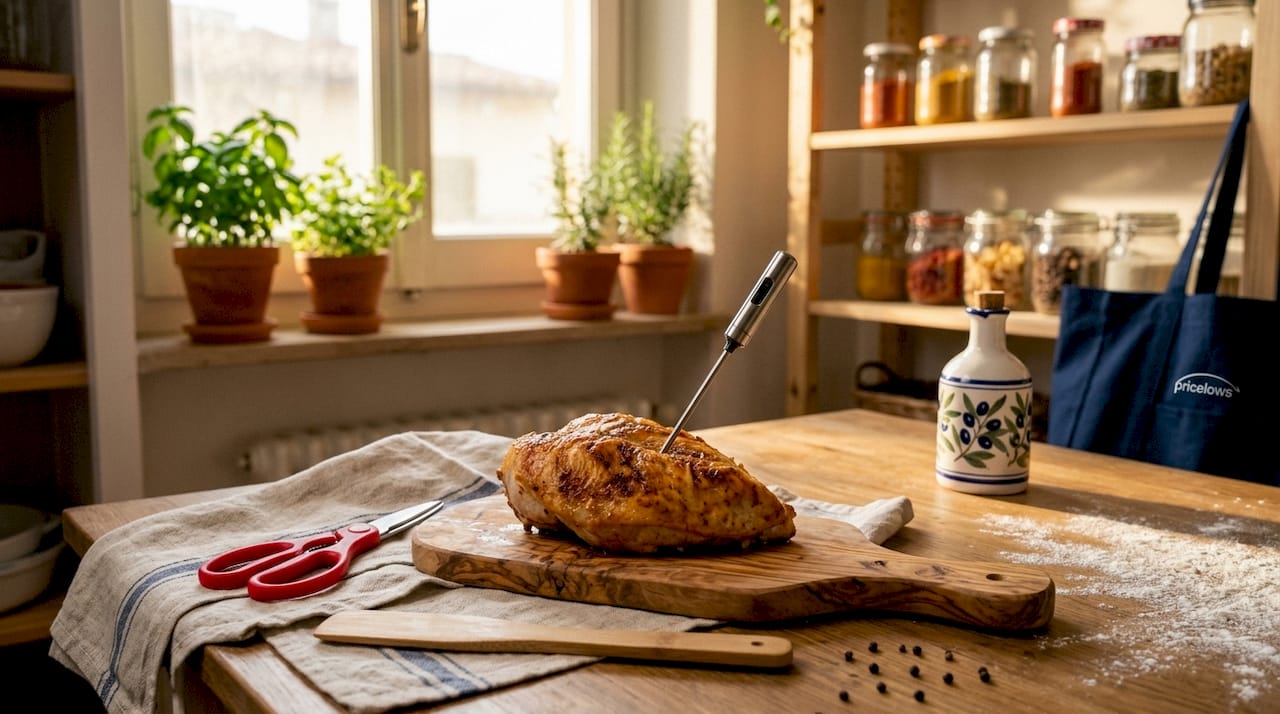
The efficiency gains from hidden kitchen tools are not marginal. Boring tools like kitchen shears and meat mashers improve efficiency by 50–70% for repetitive prep tasks compared to traditional methods. That means a task that takes ten minutes with a knife and cutting board takes three minutes with shears.
Food quality improves alongside speed. An instant-read thermometer gives you an accurate internal temperature reading in seconds. That single piece of information prevents overcooked chicken, undercooked pork, and ruined candy. No amount of experience or visual judgment matches a direct temperature reading.
Cleanup also shrinks. Kitchen shears go straight into the dishwasher. A bench scraper clears a cutting board in one pass. Affordable gadgets that reduce cleanup rank among the most useful items a home cook can own. Less mess means more time at the table instead of the sink.
Which tools offer the best value and versatility?
The best kitchen gadgets earn their drawer space by doing more than one job well. Small, multifunctional tools with simple designs deliver the highest practical value compared to specialized gadgets that see little use. The potato masher is the clearest example of this principle.
Professional chefs use a potato masher for beans, avocados, ground meat, and soft fruits, not just potatoes. One tool replaces a fork, a ricer, and a food mill for most everyday tasks. The bench scraper follows the same logic: it portions dough, transfers vegetables, and cleans surfaces.
| Tool | Approximate price | Primary use | Bonus uses |
|---|---|---|---|
| Microplane zester | $12–$18 | Citrus zest, spice grating | Frozen butter, ginger, hard cheese |
| Kitchen shears | $10–$20 | Herb snipping, meat trimming | Opening packages, cutting pizza |
| Mini offset spatula | $7–$12 | Loosening baked goods | Flipping small items, plating food |
| Bench scraper | $8–$15 | Dough portioning | Cleaning boards, transferring ingredients |
| Potato masher | $8–$14 | Mashing potatoes | Beans, avocados, ground meat, fruit |
Pro Tip: Buy a bench scraper with measurement markings along the blade. You can portion cookie dough, cut brownies, and measure rolled dough thickness without reaching for a ruler.
The pattern across every tool in this list is the same. A low price, a simple design, and at least three practical uses. That combination beats a single-purpose gadget at ten times the cost every time.
How can home cooks integrate these tools into their kitchen setup?
Minimalist kitchen setups that prioritize a few high-utility tools produce a more efficient and enjoyable cooking process than kitchens packed with gadgets. The goal is not to own every tool on this list at once. Start with the two or three that match the meals you cook most often.
Practical steps for getting the most from must-have kitchen utensils:
- Start with shears and a thermometer. These two tools cover the widest range of cooking tasks and cost under $35 combined.
- Store tools at the point of use. A utensil holder near the stove keeps shears, spatulas, and scrapers within reach without opening a drawer.
- Use suction cup hooks for small kitchens. A no-drill hook on a tile backsplash holds shears or a microplane without taking up counter space.
- Wash simple tools by hand immediately. A microplane cleaned right after use takes ten seconds. Left to dry with residue, it takes ten times longer.
- Replace one flashy gadget per month. Home cooks who buy flashy gadgets often find the low-profile, budget-friendly items do more work. Sell or donate the gadget and put the money toward a bench scraper or offset spatula.
You can find a full breakdown of which tools fit different cooking styles in this kitchen gadgets buying guide from PriceLows™.
Key Takeaways
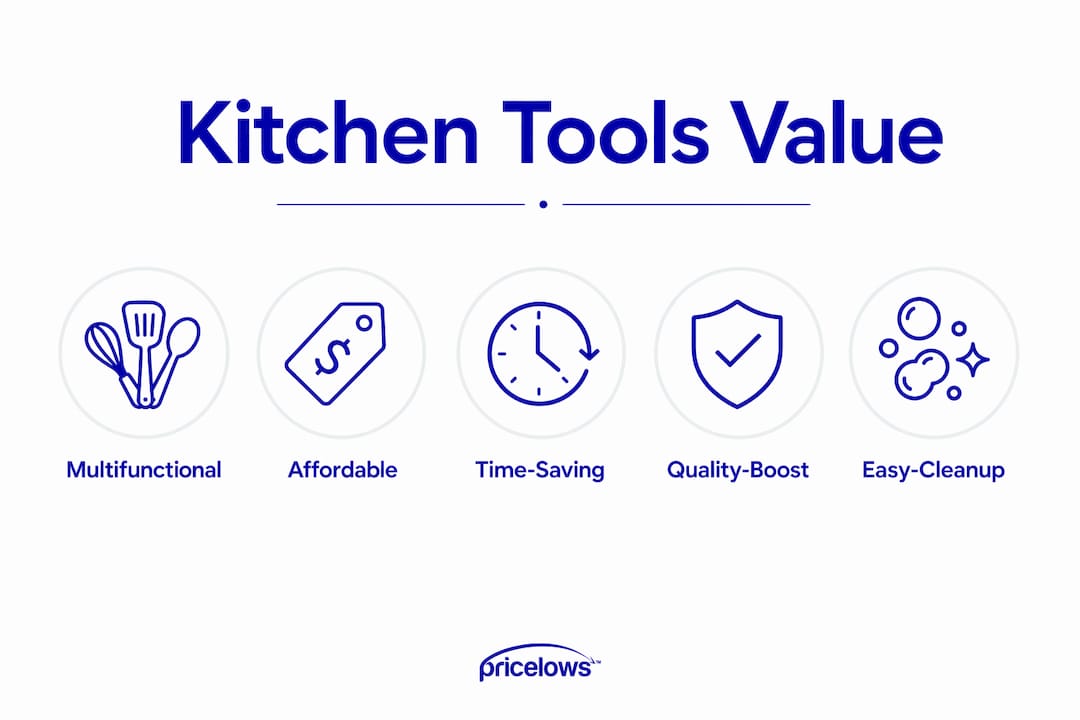
The most effective underrated kitchen tools are affordable, multifunctional items that cut prep time, improve food quality, and reduce cleanup without cluttering your kitchen.
| Point | Details |
|---|---|
| Price does not predict value | The best tools cost $5–$18 and outperform gadgets at five times the price. |
| Shears save the most time | Kitchen shears cut prep time by up to 70% for herbs, meat, and packaging. |
| Thermometers prevent mistakes | A $15 instant-read thermometer eliminates overcooked or undercooked food. |
| Multifunctional beats specialized | A potato masher handles beans, avocados, and ground meat, not just potatoes. |
| Minimalism wins | A few high-utility tools produce better results than a drawer full of gadgets. |
The tools I ignored the longest cost me the most time
I spent years buying gadgets with impressive packaging and ignoring the plain metal tools sitting in the discount bin. The microplane sat in my drawer for six months before I used it on a block of frozen butter for biscuits. That one moment changed how I thought about kitchen equipment entirely.
The honest truth is that most cooking problems are not solved by technology. They are solved by the right shape of metal at the right moment. A bench scraper is just a flat piece of steel with a handle, but it does in one motion what a spatula, a knife, and a paper towel do in four. That is the whole argument for these tools in one sentence.
I now tell every home cook I know to skip the gadget aisle and spend $40 on a microplane, a pair of shears, and a bench scraper. Those three items will change more meals than any appliance costing ten times as much. The essential tools for home cooks are almost always the ones that look the least exciting on a shelf.
— Thane Holland
Affordable kitchen tools and storage at PriceLows™
PriceLows™ has spent 15 years helping families stock their kitchens without overspending. The selection covers the exact category of tools this article covers: shears, spatulas, thermometers, and the storage solutions that keep them organized and accessible.

Every order ships free and includes a 100% shipping protection plan, so you buy with confidence. Browse kitchen utensils and storage racks to find budget-friendly picks that match the tools covered here. PriceLows™ also carries heavy-duty kitchen scissors and a full range of silicone utensil sets built for daily use. Quality tools at honest prices. That is the PriceLows™ standard.
FAQ
What are underrated kitchen tools, exactly?
Underrated kitchen tools are affordable, multifunctional utensils that most home cooks overlook in favor of trendy gadgets. Examples include microplane zesters, bench scrapers, kitchen shears, and mini offset spatulas, most priced between $5 and $18.
Are kitchen shears really worth buying?
Kitchen shears cut prep time by up to 70% for herbs, meat trimming, and package opening. They are one of the highest-value tools a home cook can own for under $20.
What is the best underrated tool for improving food safety?
An instant-read thermometer costing around $15 is the single most effective tool for food safety. It measures internal temperatures accurately and prevents both overcooking and undercooking.
Can a potato masher replace other kitchen tools?
A potato masher handles mashed potatoes, beans, avocados, soft fruits, and ground meat. Professional chefs use it as a multi-purpose tool that replaces a fork, ricer, and food mill for most everyday tasks.
How many tools does a home cook actually need?
A minimalist setup with five to seven high-utility tools produces better results than a kitchen full of specialized gadgets. Prioritize tools with at least two or three practical uses before adding anything single-purpose.